

Are you dreaming of trekking through the majestic Himalayas but worried about breaking the bank? You’re not alone. Many adventurers believe that experiencing Nepal’s breathtaking mountain trails requires deep pockets, but that’s simply not true.
At Nepal Mountain Adventure, we’ve been guiding budget-conscious trekkers through Nepal’s stunning landscapes. We understand that limited funds shouldn’t limit your dreams. This comprehensive guide reveals seven incredible budget treks in Nepal, each offering world-class mountain views, rich cultural experiences, and authentic Himalayan adventures, all for under $500. Whether you’re interested in the classic Ghorepani Poon Hill Trek or exploring remote trails, Nepal has affordable options for every adventurer.
7 Best Budget Treks in Nepal Under $500
- Ghorepani Poon Hill Trek ($490-625)
- Mardi Himal Trek ($495-650)
- Kori Trek ($510-700)
- Langtang Valley Trek ($495-750)
- Pikey Peak Trek ($495-850)
- Annapurna Base Camp Trek ($485-800)
- Khopra Ridge Trek ($550-800)
Which Trek Offers the Best Budget Trek?
| Trek Name | Duration | Cost | Difficulty | Max Altitude | Best For |
| Ghorepani Poon Hill | 4-7 days | $490-625 | Easy | 3,210m | Beginners, Budget travelers |
| Mardi Himal Trek | 5-7 days | $495-650 | Easy-Moderate | 4,500m | Best views per dollar |
| Kori Trek | 5-6 days | $510-700 | Easy-Moderate | 3,710m | Off-beaten path, Culture |
| Langtang Valley | 6-10 days | $495-750 | Easy-Moderate | 4,984m | Cultural immersion |
| Pikey Peak | 5-9 days | $495-850 | Easy-Moderate | 4,065m | Everest views on budget |
| Annapurna Base Camp | 5-10 days | $485-800 | Easy-Moderate | 4,130m | Classic experience |
| Khopra Ridge | 8-10 days | $550-800 | Easy-Moderate | 3,660m | Remote adventure |
Quick Selection Guide:
- Absolute Best Value: Ghorepani Poon Hill ($490-625)
- Best Mountain Views Per Dollar: Mardi Himal ($495-650) or Pikey Peak ($495-850)
- Most Cultural Experience: Langtang Valley ($495-750)
- Shortest Duration: Ghorepani Poon Hill or Kori Trek (4-7 days)
- Most Remote & Quiet: Khopra Ridge or Kori Trek
- Easiest for Beginners: Ghorepani Poon Hill
- Classic Iconic Trek: Annapurna Base Camp ($485-800)

Pikey Peak Trek
Duration: 5-9 days | Max Altitude: 4,065m | Difficulty: Easy-Moderate
Why Choose It: Sir Edmund Hillary said Pikey Peak has the best Everest view. No expensive Lukla flights needed. Half the cost of EBC, similar views.
Explore the complete Pikey Peak Trek itinerary
What You’ll See and Experience
The trek begins with a scenic drive from Kathmandu to Dhap village in the lower Solukhumbu region, the heartland of Sherpa culture. Unlike the famous Everest Base Camp trail, Pikey explores the less-visited lower Solu region where many famous Everest climbers were born.
Walking through authentic Sherpa villages like Jhapre, Pikey Base Camp, and Junbesi, you’ll experience traditional lifestyles with stone houses featuring carved windows, prayer rooms with butter lamps, and families practicing subsistence farming. The trek passes through pristine rhododendron, magnolia, and pine forests alive with wildlife.
The predawn ascent to Pikey Peak (4,065m) rewards you with one of Earth’s most spectacular mountain panoramas. As sunrise illuminates the peaks, you’ll see Everest (8,849m), Lhotse (8,516m), Makalu (8,485m), Kanchenjunga (8,586m), and on clear days, all the way to Annapurna. The perspective is unique. Everest truly stands out as the highest point, creating the comprehensive view that Sir Edmund Hillary declared the best.
After Pikey Peak, visit Thubten Choling Monastery in Junbesi, where hundreds of monks study and practice. The morning prayer ceremonies create profoundly moving spiritual experiences.
Package Cost: $495-850
Money-Saving Tips
- Take local bus vs private jeep (save $80-100)
- Trek December-February for 20% discounts
- Order dal bhat for unlimited refills
- Bring water purification tablets (save $70)
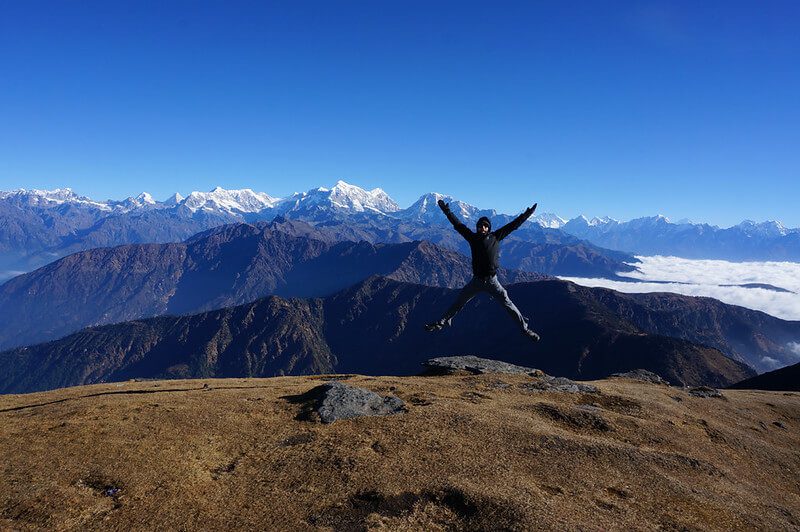
Ghorepani Poon Hill Trek
Duration: 4-7 days | Max Altitude: 3,210m | Difficulty: Easy
Book Ghorepani Poon Hill Trek
Why It’s Budget-Friendly
- Shortest duration among quality treks
- Easy terrain (can skip porter if fit)
- Direct road access eliminates flight costs
- Intense lodge competition keeps prices low
What You’ll See and Experience
The trek begins from Nayapul, winding through terraced rice paddies and traditional Gurung villages like Tikhedhunga and Ulleri. You’ll climb the famous 3,300 stone steps to reach Ghorepani village, surrounded by rhododendron forests that burst into brilliant blooms during spring (March-April).
The highlight is the early morning hike to Poon Hill (3,210m). As sunrise illuminates the peaks, you’ll witness an incredible 180-degree panorama: Dhaulagiri (8,167m), Annapurna South (7,219m), Annapurna I (8,091m), Hiunchuli, and the sacred Machhapuchhre (Fishtail Mountain). Walking through authentic Gurung villages like Ghandruk, you’ll experience local hospitality, traditional weaving, and terraced farming unchanged for generations. If you’re looking for even more spectacular close-up mountain views, consider the Mardi Himal Trek which offers similar Annapurna panoramas at a comparable budget.
Package Cost: $490-625
What You Get
- Poon Hill sunrise with Himalayan panorama
- Dhaulagiri, Annapurna, Machhapuchhre views
- Rhododendron forests (March-April bloom)
- Traditional Gurung villages
- Perfect for first-timers
Money-Saving Tips
- Skip porter if carrying light bag (save $120-150)
- Order dal bhat for dinner (unlimited refills)
- Trek March or November for 10% discounts
- Cold showers at low altitude (save $15)
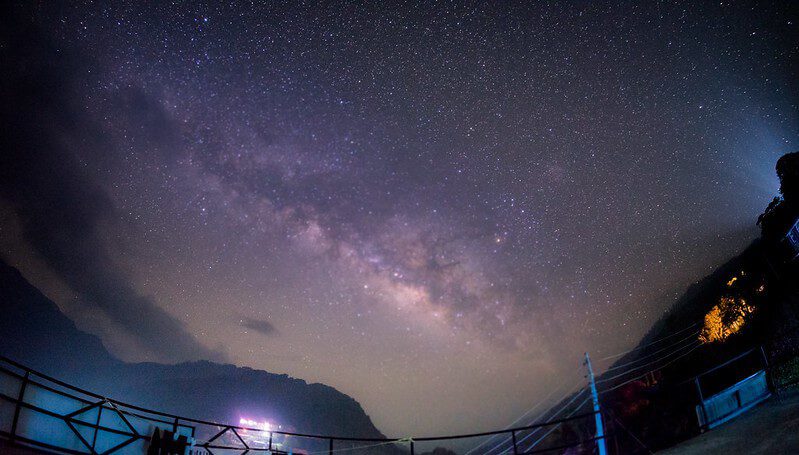
Mardi Himal Trek
Duration: 5-7 days | Max Altitude: 4,500m | Difficulty: Easy-Moderate
Explore Mardi Himal Trek
Best Value Because
- Short duration (can be completed in 5 days)
- Close to Pokhara (30-minute drive)
- ABC-quality views at half the cost
- Newer route means competitive pricing
What You’ll See and Experience
Starting just 30 minutes from Pokhara, the trail ascends through lush subtropical forests, gradually transitioning from cultivated terraces to pristine cloud forests at Forest Camp and Low Camp. As you climb above the tree line at High Camp (3,580m), spectacular mountain views begin to unfold.
The final push to Mardi Himal Base Camp (4,500m) follows an exposed ridge with stunning views. At base camp, you’re standing in a secret mountain sanctuary. Mardi Himal (5,587m) rises to your left, while sacred Machhapuchhre (6,993m) dominates to your right, so close you can see individual ice formations. Behind you, the entire Annapurna region mountains creates a breathtaking 360-degree amphitheater. The sunrise here ranks among Nepal’s most spectacular, with far fewer crowds than Annapurna Base Camp.
Package Cost: $495-650
Money-Saving Tips
- Do 5-day version (save 2 days costs)
- Rent sleeping bag in Pokhara ($10-14 total)
- Start trekking same day from Pokhara
- Choose basic lodges over “luxury” ones
- Bring water purification tablets

Langtang Valley Trek
Duration: 6-10 days | Max Altitude: 4,984m | Difficulty: Easy-Moderate
Discover Langtang Valley Trek
Why Langtang
- Closest major trek to Kathmandu (7-8 hours drive)
- No expensive flight costs
- Well-established teahouse network
- Rich Tamang-Tibetan culture
- Supports earthquake recovery
What You’ll See and Experience
Beginning with a scenic 7-8 hour drive from Kathmandu along the Trishuli River, the trek follows the Langtang Khola through dense forests of oak, maple, and bamboo. This is a prime red panda habitat. You’ll pass through traditional Tamang villages where culture closely resembles Tibetan traditions, with flat-roofed houses, prayer wheels, and Buddhist symbols everywhere.
The 2015 earthquake devastated parts of this valley, and trekking here supports ongoing community recovery. As you climb into the wide glacial valley, Langtang Lirung (7,227m) dominates the northern horizon, rising 4,000 meters from the valley floor. The trail passes countless chortens, prayer walls, and colorful prayer flags.
Kyanjin Gompa (3,870m) is the valley’s spiritual heart, featuring an ancient monastery and Nepal’s highest cheese factory where you can watch traditional yak cheese production. Acclimatized trekkers can hike to Tserko Ri (4,984m) for phenomenal panoramic views including Langtang Lirung, Shishapangma (visible across the Tibet border), and dozens of peaks. The Tamang people’s warmth and resilience creates deeply moving cultural connections throughout this trek. For Everest region views on a budget, the Pikey Peak Trek offers an excellent alternative.
Discover more about the Langtang Valley Trek
Package Cost: $495-750
Money-Saving Tips
- Local bus to Syabrubesi ($10-15 vs $60-80 jeep)
- Extend to Gosaikunda (better per-day value)
- Buy cheese at Kyanjin factory
- Trek December-February for 20-30% discounts

Annapurna Base Camp Trek
Duration: 5-10 days | Max Altitude: 4,130m | Difficulty: Easy-Moderate
Book Annapurna Base Camp Trek
Budget Strategy
- Direct route (skip Poon Hill section) saves 2-3 days
- Fast-track 8-day version for fit trekkers
- Trek March or November to avoid peak prices
If you have limited time, consider the shorter Ghorepani Poon Hill Trek which offers similar Annapurna views in just 4-7 days.
What You’ll See and Experience
The journey to Annapurna Base Camp showcases Nepal’s most diverse trekking landscapes. Beginning from Nayapul, the trail passes through lowland Gurung and Magar villages with terraced rice paddies, then enters the dramatic Modi Khola gorge. After climbing the famous 3,000-step Chomrong staircase, you’ll pass through Bamboo and Dovan’s lush forests and waterfalls.
At Machhapuchhre Base Camp (3,700m), sacred Machhapuchhre’s fishtail peak looms overhead. Climbing it is forbidden, preserving its unclimbed status. The final push opens into Annapurna Base Camp (4,130m), a dramatic glacial basin surrounded by towering peaks.
Standing at ABC, you’re encircled by giants: Annapurna I’s massive 3,000-meter south face rises directly above, while Annapurna South (7,219m), Gangapurna (7,455m), Annapurna III (7,555m), Machhapuchhre, and Hiunchuli create a complete 360-degree mountain amphitheater. Sunrise and sunset transform the peaks with alpenglow. Pink, gold, then brilliant white. Many trekkers stop at Jhinu Danda’s natural hot springs on the return for a perfect muscle-relaxing treat. If you prefer a more remote experience with fewer crowds, the Khopra Ridge Trek explores quieter corners of the same region.
Package Cost: $485-800
Money-Saving Tips
- Dal bhat for both lunch and dinner
- Bundle room + meals for discount
- Cold showers below Bamboo
- Skip Jhinu hot springs to save a day

Khopra Ridge Trek
Duration: 8-10 days | Max Altitude: 3,660m | Difficulty: Easy-Moderate
Experience Khopra Ridge Trek
Why Worth the Higher Cost
- Community-run lodges (supports locals directly)
- Alternative to crowded Poon Hill
- Near-total solitude on trails
- Optional Khayer Lake side trip
- Responsible tourism certified
What You’ll See and Experience
The Khopra Ridge Trek explores a remote corner of the Annapurna region few tourists reach. Beginning from Nayapul or Tadapani, the trail quickly leaves busy routes for quieter territory. You’ll walk through spectacular ancient rhododendron forests. These are massive trees reaching 10-15 meters tall that create a canopy of brilliant blooms during spring (late March-early April).
The community lodges at Khopra Danda (3,660m) are built and operated by local cooperatives, with all profits directly benefiting surrounding villages. From Khopra Ridge, Dhaulagiri (8,167m) dominates the western horizon, while Annapurna South, Nilgiri, and numerous giants create an impressive mountain wall. You’re close enough to see individual ice falls and glaciers in extraordinary detail.
For adventurous trekkers, the challenging day hike to sacred Khayer Lake (4,660m) sits in a high glacial basin holding deep spiritual significance for locals. The trek’s remoteness creates a meditative wilderness experience. Hours walking through pristine forests with just birds and occasional wildlife. Villages here see fewer tourists, leading to more genuine cultural interactions and authentic hospitality. For an even more off-the-beaten-path experience, explore the Kori Trek, one of Nepal’s newest and least-known trails.
Learn more about Khopra Ridge Trek
Package Cost: $550-800
Money-Saving Tips
- Book community lodges direct
- Skip Khayer Lake (saves 1 day)
- Combine with Poon Hill route
- Trek October for pre-peak prices
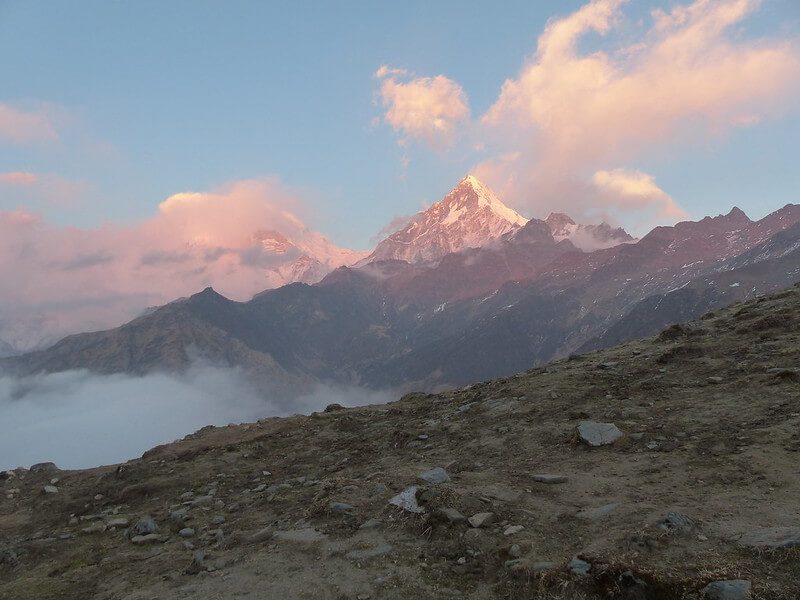
Kori Trek
Duration: 5-6 days | Max Altitude: 3,710m | Difficulty: Easy-Moderate
Explore Kori Trek
Nepal’s Newest Trek: Opened 2019. Virtually unknown. Similar to Mardi Himal but fewer tourists. Community-based tourism.
What You’ll See and Experience
The Kori Trek explores authentic Gurung country where traditional village life continues unchanged. Starting from Lwang village, you’ll walk through landscapes few international trekkers have explored. The trails are well-maintained but blissfully quiet. You might go hours without seeing another tourist.
Walking through villages like Ribang (2,250m) and Kori (2,440m), you’ll encounter stone houses with slate roofs and families practicing subsistence farming unchanged for generations. The trek passes through dense rhododendron and oak forests, home to diverse birdlife including Nepal’s national bird, the Himalayan monal.
From Kori Top (3,710m), Machhapuchhre appears impossibly close, while the entire Annapurna range stretches before you. Likely with these views entirely to yourself. What makes this trek special is the opportunity for homestay experiences, where you’ll sleep in local family homes, share traditional meals, and participate in daily village activities, offering deep cultural immersion alongside spectacular mountain views. For another excellent cultural trekking experience, the Langtang Valley Trek provides rich Tamang-Tibetan cultural encounters.
Package Cost: $510-700
What’s Special
- Machhapuchhre close-up views
- Authentic Gurung villages
- Family homestays available
- New trail means eager hosts
- Go before it gets popular
Money-Saving Tips
- Book direct with local agencies
- Trek March/November shoulder season for 15% discounts
- Choose homestays over lodges
- Combine with Mardi Himal

Best Time for Budget Trekking in Nepal (Save 20-30%)
Timing your Nepal trek strategically can save you hundreds of dollars while still enjoying incredible mountain views and perfect trekking conditions. Understanding Nepal’s trekking seasons is the secret to getting the best value for your money.
Peak Season: October-November & March-April
The peak trekking season brings the most predictable weather conditions with crystal-clear mountain views and comfortable temperatures. October through November offers post-monsoon clarity with stable weather patterns, while March through April showcases blooming rhododendron forests painting the trails in brilliant reds and pinks. However, these prime months come at full price ($490-850 for our budget treks), and you’ll share the trails with hundreds of other trekkers. Popular teahouses fill up quickly, especially on routes like Annapurna Base Camp and Ghorepani Poon Hill, making advance booking essential. Explore more treks in the Annapurna Region for additional options.
Shoulder Season: Early March, Late November & December
(BEST FOR BUDGET TREKKERS)
This is where smart budget trekkers find the sweet spot between excellent conditions and significant savings. Early March catches the tail end of winter with crisp, clear skies before the spring rush begins. Late November extends the autumn trekking season after the October-November crowds disperse, offering stable weather and peaceful trails. December is perhaps the best-kept secret, delivering spectacular mountain visibility with cold but manageable temperatures and the fewest trekkers on the trails.
During shoulder season, you’ll enjoy 10-15% discounts on accommodations and services, saving $60-150 per person on a typical 7-10 day trek. The weather remains excellent with mostly clear skies and comfortable daytime temperatures, though nights get colder as winter approaches. You’ll find more availability in teahouses, more attention from lodge owners, and a more authentic, less commercialized trekking experience. The trails feel more like wilderness adventures rather than crowded tourist highways.
Off-Season: Monsoon (June-August) & Deep Winter (January-February)
The monsoon season from June through August brings afternoon rains, leeches on lower elevation trails, and clouds that often obscure mountain views. While you can save 25-30% during these months, the experience suffers significantly. Trails become muddy and slippery, flights to mountain airports like Lukla frequently cancel due to weather, and the constant dampness makes trekking uncomfortable. We only recommend monsoon trekking for experienced hikers who don’t mind challenging conditions.
Deep winter months of January and February bring heavy snowfall to high passes, extreme cold at altitude, and some teahouse closures above 3,500 meters. However, for hardy trekkers properly equipped with quality gear, winter offers 20-25% discounts, absolutely stunning crisp mountain views, and near-total solitude on the trails. Lower elevation treks like Ghorepani Poon Hill and Pikey Peak work well in winter, while high-altitude routes like Annapurna Base Camp become significantly more challenging.
Best Budget Months: Our Expert Recommendations
December stands out as the ultimate budget trekking month, combining 15-20% discounts with excellent weather, clear mountain views, and peaceful trails. Daytime temperatures remain comfortable for trekking, though you’ll need a quality sleeping bag for cold nights.
March offers perfect conditions for photography enthusiasts, with rhododendron blooms creating spectacular foreground colors against snow-capped peaks. Early March catches 10-15% shoulder season discounts before peak season pricing kicks in mid-month.
Late November extends the autumn trekking window with stable weather patterns, fewer crowds than October, and moderate discounts as lodges begin lowering prices for the approaching low season.
Month-by-Month Budget Trekking Guide
January-February: Winter’s grip brings very cold temperatures, especially at higher elevations where you might encounter significant snowfall. However, the crystal-clear skies offer the year’s best mountain visibility, and 20-25% discounts make it appealing for experienced budget trekkers with proper winter gear. Lower elevation treks work best during these months.
March: As spring arrives, temperatures warm gradually and the famous rhododendron forests burst into spectacular bloom. Early March still catches shoulder season discounts of 10-15%, while late March transitions to full peak season pricing. This is one of the year’s most beautiful trekking months, with comfortable weather and colorful trails.
April-May: Peak season conditions continue with perfect weather, warm temperatures, and maximum visibility. However, you’ll pay full prices ($490-850) and encounter the busiest trails of the year. Teahouses fill completely, requiring advance bookings. Popular routes like Annapurna Base Camp book out weeks in advance during this period. Late May starts getting warmer as the pre-monsoon period begins.
June-August: The monsoon season blankets Nepal in afternoon rains, bringing leeches to lower forests and clouds that obscure mountain views. While 25-30% discounts tempt budget-conscious trekkers, we don’t recommend this period. Trails become dangerously slippery, the constant dampness is uncomfortable, and you’ll likely miss the spectacular mountain views that make Nepal trekking special.
September: The monsoon gradually retreats, though occasional afternoon rains continue into mid-month. Late September offers moderate discounts as the autumn season begins, with improving weather conditions. This transition month can be good value if you’re flexible with dates and don’t mind some rain.
October-November: Autumn brings Nepal’s most reliable trekking weather. Post-monsoon air clarity creates stunning mountain panoramas, comfortable temperatures make trekking pleasant, and stable weather patterns reduce trip disruptions. However, these prime conditions attract maximum crowds and command full prices. October through mid-November represents the busiest trekking period, with trails sometimes feeling like highways and popular teahouses booking out weeks in advance.
December: Often overlooked by international trekkers, December offers exceptional value for budget-conscious adventurers. The weather remains excellent with clear skies and stable conditions, though temperatures drop significantly. You’ll enjoy 15-20% discounts, nearly empty trails, and attentive service from lodge owners who appreciate your business during the quiet season. Just bring warm layers for cold nights, and you’ll discover why savvy trekkers consider December one of Nepal’s best-kept secrets.
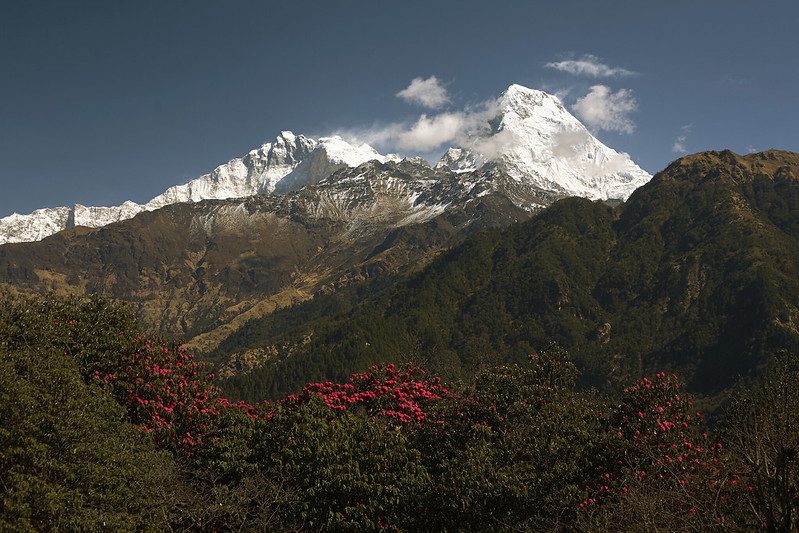
How to Save Money on Nepal Treks: Expert Budget Tips
- Join group departures for 15-20% discounts – Share guide costs among 4-8 people while still receiving excellent service. Group treks create instant friendships and split expenses, making your Himalayan adventure more affordable and social.
- Book 2-3 months ahead (early bird discounts) – Many agencies offer 10% early booking discounts and you secure availability during popular trekking seasons. Early planning also gives you more time to prepare physically and gather necessary gear.
- Trek shoulder season (March, November, December) – Enjoy 10-15% discounts while still experiencing excellent weather. These months offer the perfect balance between cost savings and ideal trekking conditions, with fewer crowds enhancing your mountain experience. Treks like Mardi Himal are particularly beautiful during these months.
- Book directly with Nepal Mountain Adventure – Skip the 30-40% markup charged by international agencies and overseas booking platforms. When you book directly with us, a local Kathmandu-based operator, your money goes straight into your trek experience: better guides, quality service, and authentic local expertise. We eliminate middlemen, passing the savings directly to you while ensuring you get the best value for every dollar spent.
- Rent trekking gear in Kathmandu – Down jackets cost $2-3/day vs $100 to buy. Sleeping bags $1-2/day vs $80 to buy. For a 7-day trek, renting quality equipment from Thamel shops saves $130-270 total while reducing luggage weight on international flights.
- Dal bhat for lunch AND dinner – Traditional Nepali meal costs $7-10 with UNLIMITED REFILLS. This isn’t just budget-smart; dal bhat provides perfect trekking nutrition with rice for energy, lentils for protein, and vegetables for vitamins. Eat as much as you need to fuel your hiking.
- Water purification tablets – Cost $15-20 vs $70-100 for bottled water over a week. Purification tablets or filters are also significantly better for the environment, reducing plastic waste on Nepal’s pristine trails. Most streams and taps provide safe water after treatment.
- Pack light to skip porter – Manage a 10kg backpack and save $140-175 on porter fees for 7 days. Use packing cubes, wear your heaviest items during travel days, and rent bulky gear in Kathmandu rather than carrying it from home.
- Skip hot showers strategically – At lower, warmer elevations, cold showers are tolerable and even refreshing after a day’s trekking. Save hot showers for the coldest, highest nights when you really need them. This simple strategy saves $15-25 over a week-long trek.
- Charge devices during meals – Plug in while eating breakfast or dinner when generators run for cooking. Some teahouse owners include charging free if you’re eating there. Always ask politely and bring a portable power bank as backup for remote sections.
- Buy snacks in Kathmandu – Trail prices are 50-100% higher due to difficult resupply logistics. Stock up on energy bars, chocolate, nuts, dried fruit, toilet paper, and sunscreen at Thamel shops before starting your trek. Save $20-40 while having better selection.
- Local buses over tourist buses – Cost less with more authentic travel experience. Local buses are crowded and slower, but the significant savings ($10-15 vs $25-30 for routes like Kathmandu-Pokhara) make them worthwhile for budget trekkers who don’t mind basic comfort.
- Shared jeeps vs private vehicles – Save $100+ per group while traveling faster than buses. Shared jeeps to trailheads cost $25-50 vs $80-150 for private vehicles, offering the sweet spot between comfort and budget.

FAQs: Everything You Need to Know
Q: Can I really trek Nepal for under $500?
Yes! All 7 treks listed are $485-850 complete packages including guide, accommodation, meals, permits, and transportation.
Q: What’s the most budget-friendly trek?
Annapurna Base Camp at $485-800 and Ghorepani Poon Hill at $490-625 offer the best overall value for money with spectacular views and cultural experiences.
Q: Do I need a guide?
Yes, mandatory from 2024. Independent solo trekking is not allowed by Nepali law for safety and employment reasons.
Q: Is insurance mandatory?
Yes. You need high-altitude coverage including helicopter evacuation up to 6,000 meters. Cost: $50-150 depending on coverage level.
Q: Can I use credit cards on the trail?
No. Teahouses operate cash-only. Bring 25,000-35,000 NPR ($200-280) for a 7-day trek to cover meals, extras, and emergencies.
Q: Do I need a porter?
No, porters are optional. You can carry your own bag if it’s under 10kg to save $140-175, though porters make trekking significantly more comfortable.
Q: Is it safe for solo female travelers?
Very safe. Your licensed guide accompanies you throughout, family-run lodges provide secure accommodation, and many solo female trekkers visit Nepal annually.
Q: Can I trek during monsoon season?
Not recommended. You’ll save 25-30% but face afternoon rain, leeches, clouds blocking mountain views, slippery trails, and potential safety risks.
Q: What permits do I need?
TIMS Card ($20) and Conservation Area/National Park permit ($30). Total: $50 per person. We handle all permit paperwork for you.
Q: How fit do I need to be?
Moderate fitness for most treks. Ghorepani Poon Hill is easiest for beginners. All treks listed are rated Easy to Easy-Moderate difficulty. For a slightly more challenging but still manageable trek, consider the Khopra Ridge Trek.
Q: What’s the best time for budget trekking?
December, March, and late November offer the best balance of good weather, clear views, and 10-20% discounts on accommodations.
Q: Can I get vegetarian food?
Yes! Dal bhat is vegetarian and available everywhere. Nepali teahouse menus offer extensive vegetarian options including pasta, pizza, momos, and local dishes.
Ready to Start Your Affordable Himalayan Adventure?
The mountains are calling, and they’re more affordable than you ever imagined. Don’t let budget concerns keep you from experiencing the trek of a lifetime.
Contact Nepal Mountain Adventure Today
- WhatsApp/Viber: +977-9851159317
- Email: info@nmanepal.com
- Website: www.nmanepal.com
Your Budget-Friendly Trek Starts Here
- Choose your trek from our seven incredible options – from the classic Annapurna Base Camp to the hidden gem Kori Trek
- Check our group departure dates or request custom dates
- Get detailed itinerary and transparent cost breakdown
- Book with confidence with no hidden fees
- Pack your bags for an affordable Himalayan adventure!
The Himalayas are waiting. Your budget-friendly trek to snow-capped peaks, ancient monasteries, and life-changing experiences is just a message away.
Namaste, and see you in the mountains! 🏔️


