

How Far You’ll Actually Walk, Day by Day
“How far is Everest Base Camp?” has a straightforward answer and a less straightforward one. The straightforward answer: the trek covers roughly 130 kilometers (80 miles) round trip, about 65 kilometers (40 miles) each way, walking over 8 to 12 days depending on which itinerary you choose. On paper, that’s a very ordinary distance, plenty of people cover more than that in a single long-distance cycling weekend at sea level. What the number alone doesn’t tell you is that every one of those kilometers is walked at altitude, on rocky, uneven terrain, with a meaningful chunk of elevation gain and loss packed into most days, which is the less straightforward part.
This guide breaks down exactly how far you’ll walk each day on the standard route, what the terrain actually looks like along the way, and how distance changes across the different route variations. For the difficulty this distance actually creates once altitude is factored in, our Everest Base Camp Trek Difficulty guide is worth reading alongside this one, and our Everest Base Camp Trek Itinerary guide covers the day-by-day schedule this distance is built around.
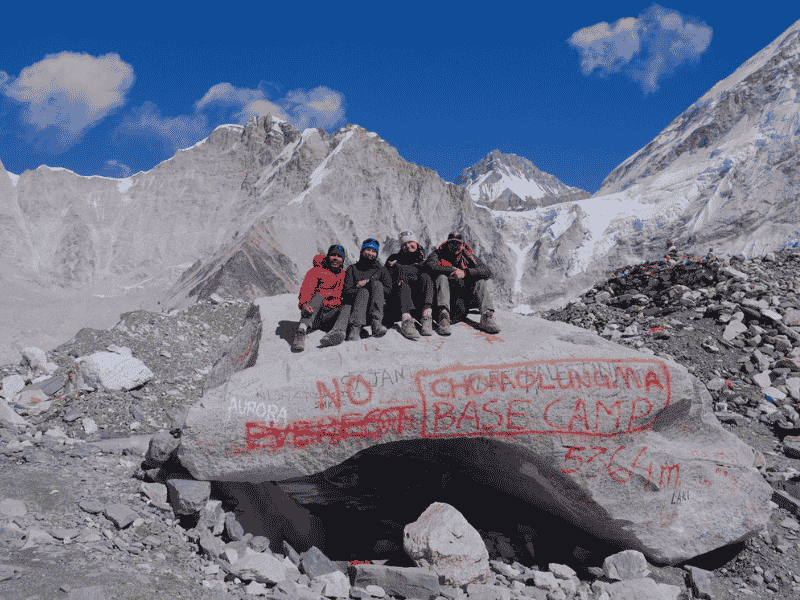
The Headline Numbers
| Detail | Figure |
| Round-trip distance (Lukla to EBC and back) | ~130 km (81 miles) |
| One-way distance (Lukla to EBC) | ~65 km (40 miles) |
| Total elevation gain (Lukla to EBC) | ~2,524 m (2,840 m to 5,364 m) |
| Highest point reached (Kala Patthar) | 5,545 m |
| Days spent actually walking | 8 to 10 days, within a 12 to 14 day itinerary |
A quick clarification worth making upfront, since it trips people up: this 130 km figure is the walking distance only, from Lukla to Everest Base Camp and back. It doesn’t include the Kathmandu to Lukla flight, which covers a further 138 km (86 miles) by air and is a separate 35 to 40 minute leg, not part of the trekking distance itself. If you’re measuring in miles rather than kilometers, the round trip works out to roughly 80 miles, with the one-way walk to Base Camp covering about 40 miles.
These numbers hold as a reliable estimate across every agency’s version of the standard route, minor shifts happen depending on weather detours or which acclimatization hike your guide picks. On their own, though, these figures don’t explain much, 130 km is a perfectly normal distance to walk over two weeks. What actually makes this trek demanding is covered next.
Day-by-Day Distance and Elevation
This follows the standard 12-day trekking itinerary (excluding the Kathmandu-Lukla flight days), the same route covered in detail in our Everest Base Camp Trek Itinerary guide. Distance and elevation change are shown together here since the two matter far more in combination than either does alone.
| Day | Route | Distance | Elevation Change | Duration |
| Day 1 | Lukla to Phakding | ~8 km | 2,840 m to 2,610 m (descent) | 3-4 hrs |
| Day 2 | Phakding to Namche Bazaar | ~12 km | 2,610 m to 3,440 m (+830 m) | 5-6 hrs |
| Day 3 | Acclimatization in Namche Bazaar | ~5 km (short hike) | 3,440 m, short hike higher and back | 3-4 hrs |
| Day 4 | Namche Bazaar to Tengboche | ~10 km | 3,440 m to 3,860 m (+420 m) | 5-6 hrs |
| Day 5 | Tengboche to Dingboche | ~11 km | 3,860 m to 4,410 m (+550 m) | 5-6 hrs |
| Day 6 | Acclimatization in Dingboche | ~5 km (short hike) | 4,410 m, short hike higher and back | 4-5 hrs |
| Day 7 | Dingboche to Lobuche | ~8 km | 4,410 m to 4,910 m (+500 m) | 5-6 hrs |
| Day 8 | Lobuche to EBC to Gorak Shep | ~12-15 km | 4,910 m to 5,364 m (+454 m) | 7-8 hrs |
| Day 9 | Gorak Shep to Kala Patthar to Pheriche | ~13-15 km | 5,170 m to 5,545 m, then descent to 4,371 m | 6-7 hrs |
| Day 10 | Pheriche to Namche Bazaar | ~19 km | 4,371 m to 3,440 m (descent) | 6-7 hrs |
| Day 11 | Namche Bazaar to Lukla | ~19 km | 3,440 m to 2,840 m (descent) | 6-7 hrs |
Notice the return journey, days 10 and 11, covers meaningfully more ground per day than the ascent. This is intentional, once you’ve acclimatized and are heading back down, the itinerary makes up time by covering two or more days of the outbound route in a single day. It’s also the reason those return days, while covering more distance, tend to feel easier than the numbers alone suggest, you’re descending and your body has adjusted to the altitude by that point.
One more thing worth flagging: the acclimatization-day figures above are conservative. Optional side trips your guide may offer, a walk up to Everest View Hotel from Namche, or Nagarjun Hill, can add a few extra kilometers on top of what’s shown here. This is normal, it’s built into the acclimatization day’s purpose rather than extra, unplanned walking.
Why the Same Number of Kilometers Feels So Different Up There
A 12 km day sounds modest until you factor in what that distance actually involves on this particular trail.
- Elevation change: most days combine genuine climbing with descending, not flat walking, so the horizontal distance understates the real physical effort
- Altitude: above 3,000 meters, reduced oxygen makes the same physical effort feel considerably harder than it would at sea level, and this effect increases the higher you go
- Terrain: stone staircases, suspension bridges, and loose rocky sections slow your pace and demand more from your legs than a flat trail covering the same distance
- Cumulative effect: walking similar distances day after day for a week or more adds up in a way a single long walk doesn’t, fatigue builds gradually across the trip
This is exactly why trekking agencies quote walking times in hours rather than relying on distance alone, two trekkers covering the same 12 km can have very different days depending on altitude, weather, and how their acclimatization is going.
How Distance Changes Across Route Variations
| Route | Total Distance | Difference from Standard |
| Budget Trek, 12 Days | ~130 km | Same distance, compressed into fewer days |
| Standard EBC Trek, 14 Days | ~130 km | Baseline distance |
| Gokyo Lake via Cho La Pass, 16-18 Days | ~200 km | ~70 km more, via the Gokyo valley and Cho La Pass crossing |
| Everest Three High Pass Trek, 18-21 Days | ~160-175 km | ~30-45 km more than standard, via three high passes |
| Luxury Trek | ~130 km | Same distance as Standard, sometimes shortened by a helicopter return |
The Budget Trek covers the exact same 130 km as the Standard route, it simply walks it in fewer days, meaning longer daily distances rather than a shorter overall journey. If a tighter timeline appeals to you, our Everest Base Camp Budget Trek-12 Days page has the full itinerary. The Everest Base Camp With Gokyo Lake Via Chola Pass route is the biggest jump in total distance of any variation here, genuinely covering more ground rather than just taking longer to cover the same ground, and the Everest Three High Pass Trek adds further distance again on top of that.
One variation not in the table above: skipping the Lukla flight entirely and walking in on foot from Jiri instead. This classic overland approach adds roughly 55 km each way before you even reach the standard EBC trail, bringing the total round-trip distance to around 185 km (115 miles). It’s a meaningfully different, longer trip, not a route most trekkers choose for a first EBC attempt, but it remains a genuine option for anyone wanting to avoid flying into Lukla or simply prefers a slower, more gradual approach into the mountains.
Why Does Elevation Gain Matters More Than Distance?
Looking back at the table above, notice that the biggest single-day elevation jump, Phakding to Namche at +830 m, isn’t the longest day in kilometers. This is the key thing to take from this page: elevation gain, not horizontal distance, is what actually drives both difficulty and altitude risk on this trek. Total net elevation gain from Lukla to Everest Base Camp runs approximately 2,524 meters.
This matters beyond fatigue, it’s directly tied to altitude sickness risk. Acute Mountain Sickness becomes a real concern once you’re gaining elevation faster than your body can adjust, and the widely used mountaineering guideline is not increasing sleeping altitude by more than roughly 300 to 500 meters per day once above 3,000 meters. The Phakding to Namche day above technically exceeds that guideline on paper. This works because the itinerary doesn’t ask your body to sleep at each new high point immediately, Namche and Dingboche both host acclimatization days specifically because the cumulative elevation gain by that point demands a pause, not because of any single day’s climb in isolation.
This is also exactly why itineraries that compress the standard route into fewer days, without removing the destinations, carry meaningfully higher altitude sickness risk. The distance and elevation gain stay the same, but covering them faster means less time for your body to adjust at each stage. If you’re weighing a shorter itinerary against the standard one, this is the real trade-off, not just a more tiring holiday, but less built-in margin for your body to adapt. Our Everest Base Camp Trek Altitude & Acclimatization guide covers the warning signs, symptoms, and what to do if something feels off, and our Everest Base Camp Trek Itinerary guide explains the acclimatization logic behind the pacing in more depth. Our Everest Base Camp Trek Training Guide covers how to physically prepare your legs and lungs for this kind of sustained climbing.

Daily Walking Hours vs Daily Distance
Distance and time don’t move together in a straight line on this trek, which surprises some first-time trekkers. A 19 km descent day back to Lukla can take roughly the same time as an 8 km climbing day to Lobuche, because descending is faster per kilometer than climbing, even though it puts real strain on the knees in its own way.
- Flat or gently rolling sections: roughly 3 to 4 km per hour
- Steady uphill sections: often closer to 1.5 to 2.5 km per hour
- Descents: faster than climbs in terms of distance covered, but harder on the legs and joints
- High-altitude sections above 5,000 m: pace slows noticeably for everyone, regardless of fitness, simply due to reduced oxygen
This is why your guide will always talk about the day ahead in hours rather than kilometers, it’s a far more honest way to describe what you’re actually about to experience.
How Distance Affects Cost and Difficulty ?
Distance doesn’t just shape how tired you’ll feel each day, it’s also one of the main things driving both the price and the difficulty rating of each route variation.
- Distance and Cost
More distance generally means more days on the trail, and more days means more teahouse nights, more meals, more guide and porter wages. This is the core reason the Gokyo via Cho La Pass and Three High Pass itineraries cost meaningfully more than the Standard or Budget routes, they’re not priced higher for the same trek, they’re priced for a genuinely longer one covering more ground. Our Everest Base Camp Trek Cost guide breaks down exactly where that extra cost comes from.
- Distance and Difficulty
More distance, especially when it comes with new elevation gain rather than just more days at the same altitude, is one of the clearest drivers of a harder trek. It isn’t the extra days alone that make the Gokyo and Three Pass routes harder, it’s that those extra days include a technical glacier crossing and, in the Three Pass case, two additional passes above 5,300 meters. Our Everest Base Camp Trek Difficulty guide compares difficulty across all five route variations in full detail.
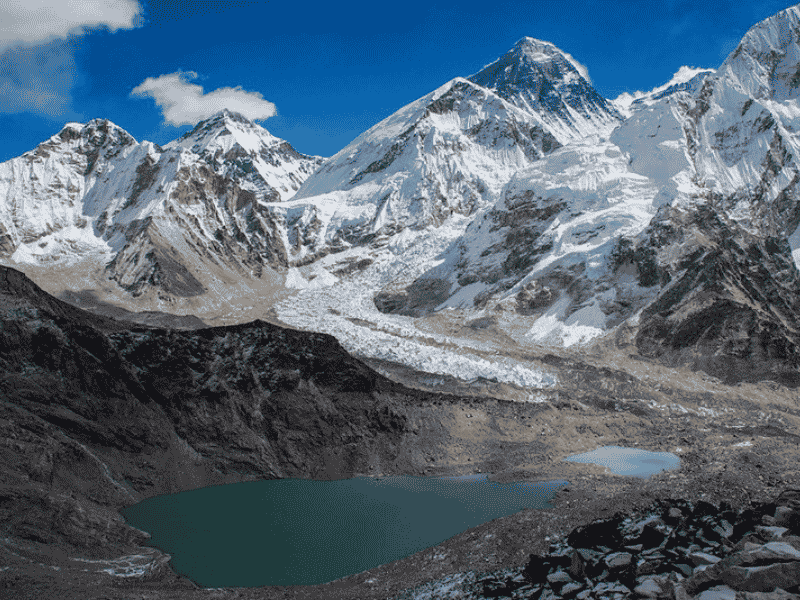
What the Trail Surface Actually Looks Like
Distance figures don’t capture what you’re actually walking on, and the surface changes meaningfully as you gain altitude.
- Lukla to Namche Bazaar: well-maintained trail through pine forest, following the Dudh Koshi river, several suspension bridges including the well-known Hillary Bridge, generally the easiest underfoot terrain of the whole trek
- Namche Bazaar to Tengboche: rolling trail with a steep climb up to Tengboche itself, past mani walls and prayer flags, still mostly well-defined path
- Tengboche to Dingboche: more open, exposed terrain as tree cover thins out, trail becomes rockier
- Dingboche to Lobuche: rocky, increasingly barren landscape, passing the memorial cairns for climbers who died on Everest, a sobering, quiet stretch of trail
- Lobuche to Gorak Shep and Everest Base Camp: the roughest underfoot terrain of the standard route, loose rock, moraine, and sections that hug the edge of the Khumbu Glacier
This progression, from forest path to glacial moraine, is part of why the same daily distance feels different depending on which stage of the trek you’re on. Good, broken-in boots and trekking poles matter more on the upper sections than the lower ones, worth keeping in mind when you’re packing.
What This Means for Your Preparation
Knowing the actual distances involved makes training more targeted rather than guesswork. The longest single days, day 8 to Everest Base Camp and the descent days back toward Lukla, run 12 to 19 km, which is a realistic benchmark to build toward in your training hikes before you fly.
- Build up to comfortably walking 15 to 20 km on hilly terrain with a loaded daypack before you go, matching the trek’s longer days
- Practice consecutive long walking days, not just single long hikes, since the trek asks you to do this repeatedly over a week or more
- Don’t only train on flat ground, the elevation change matters more than the flat-ground distance equivalent would suggest
Our Everest Base Camp Trek Training Guide has a full 12-week plan built around exactly this kind of preparation, including a week-by-week breakdown and sample training schedule.

Ready to Trek?
130 kilometers and roughly 2,500 meters of net elevation gain is a very manageable distance for most healthy adults, spread across 12 to 14 days with proper acclimatization built in. The numbers on this page are a planning tool, not a reason to worry, thousands of trekkers with no prior high-altitude experience cover this same distance safely every season.
If you’d like help figuring out which itinerary’s distance and pace actually suits your fitness and timeline, contact the Nepal Mountain Adventure team and we’ll walk you through it, then handle the permits, insurance guidance, flights, and guide once you’re ready.
Frequently Asked Questions
How many kilometers do you walk per day on average?
Most days fall between 8 and 15 km, with the return descent days running longer, sometimes up to 19 km, since descending covers ground faster than climbing.
Is 130 km a long distance to walk?
Not especially by itself, plenty of multi-day hikes at sea level cover similar or greater distances. What makes this trek demanding is the altitude and elevation gain layered on top of that distance, not the horizontal distance alone.
What’s the longest single day of walking on the trek?
The Lobuche to Everest Base Camp to Gorak Shep day is typically the longest in both time and difficulty, 7 to 8 hours covering roughly 12 to 15 km at the trek’s highest, thinnest air.
Does the distance change if I choose a different itinerary?
Total distance stays the same on the Budget, Standard, and Luxury routes, around 130 km, just spread across a different number of days. The Gokyo via Cho La Pass and Three High Pass routes cover genuinely more ground, up to 200 km, since they add entirely new sections of trail.
Why do the return days cover more distance than the days going up?
Once you’ve acclimatized and are heading back down, the itinerary combines what took two days on the way up into a single day on the way down, since descending is both faster and doesn’t require the same cautious, gradual pacing that altitude gain demands.
Does covering the same distance faster increase my risk of altitude sickness?
Yes. A compressed itinerary covers the same distance and elevation gain in less time, leaving less room for your body to adjust at each stage, which is why very short itineraries carry meaningfully higher altitude sickness risk than the standard route.
How many miles is the Everest Base Camp trek?
The round trip is approximately 80 miles (130 km), and the one-way distance from Lukla to Base Camp is about 40 miles (65 km).
How far is Everest Base Camp from Kathmandu?
It depends on how you measure it. The Kathmandu to Lukla flight covers about 138 km (86 miles) by air, and from Lukla you then walk a further 65 km one way to reach Base Camp. There’s no direct road, the journey is a combination of a short flight plus the trek itself.
How far is Everest Base Camp from Lukla?
About 65 km (40 miles) one way along the standard trekking route, roughly 130 km if you count the return trip back to Lukla.
Does the trek distance include the Kathmandu to Lukla flight?
No, the 130 km figure covers only the walking portion from Lukla to Everest Base Camp and back. The Kathmandu-Lukla leg is a separate 35 to 40 minute flight, not part of the trekking distance.
How many kilometers do you walk if you include side trips like Everest View Hotel?
Optional add-ons like an acclimatization hike to Everest View Hotel or Nagarjun Hill can add several extra kilometers on top of the core 130 km, this is normal and often included within the acclimatization days rather than being extra, unplanned walking time.
What’s the trek distance for the Jiri to EBC route instead of flying into Lukla?
Starting on foot from Jiri instead of flying adds significantly more distance, bringing the total trek to roughly 185 km (115 miles) round trip, since you’re walking in from much further away before even reaching the standard EBC trail.


