

Picture yourself standing at 5,364 meters above sea level, surrounded by the world’s highest peaks, with crisp mountain air filling your lungs and the mighty Mount Everest towering before you. The trail behind you is peaceful, the sky is crystal clear, and you’ve just accomplished something truly extraordinary. This is what trekking to Everest Base Camp in March feels like.
After spending years exploring the Himalayas and completing the EBC trek in March myself, I can tell you that March is one of those magical shoulder season months that seasoned trekkers absolutely love. Yes, it’s colder than the peak season months of April and May. Yes, you’ll need to pack that extra warm jacket. But the rewards? They’re absolutely worth it.
In this complete guide, I’m sharing everything you need to know about trekking to Everest Base Camp in March 2025, from the real deal on weather and temperatures to the practical stuff like permits, packing, and dealing with those tricky Lukla flights. Whether you’re a first-timer or a mountain veteran, let’s dive into why March might just be your perfect time to visit the roof of the world.

Is Everest Base Camp Weather in March Good?
Let me be straight with you, EBC weather in March is challenging but absolutely manageable with the right preparation. March sits right between winter and spring in the Himalayas, which means you get some of the best mountain views of the year, but you’ll also need to bundle up properly.
What’s the Real Temperature at EBC in March?
When people ask me about the EBC temperature in March, I always break it down by altitude because the temperature changes dramatically as you climb higher.
- At Lukla (2,860m) where your trek begins, daytime temperatures hover around 10-15°C (50-59°F). It’s actually quite pleasant, and you might find yourself trekking in just a t-shirt during the warmest part of the day. Nights drop to around 0-5°C (32-41°F) a bit chilly but comfortable with a good sleeping bag.
- At Namche Bazaar (3,440m), you’re starting to feel the altitude. Days are sunny and bright at 5-10°C (41-50°F), but once that sun dips behind the mountains, temperatures drop to -5 to 0°C (23-32°F). This is where you’ll really appreciate that down jacket.
- At Tengboche (3,860m) and higher camps, daytime temperatures range from 0-8°C (32-46°F). It’s cold, but if you’re moving and the sun is shining, you’ll be fine. Nighttime is a different story, -10 to -5°C (14-23°F) is common.
- At Gorak Shep and EBC (5,100-5,364m), this is where March shows its teeth. Daytime temperatures hover around -5 to 5°C (23-41°F), and at night, you’re looking at -15 to -20°C (-5 to -4°F). Your sleeping bag better be rated for these temperatures, or you’re in for some very long nights.
But here’s the beautiful part of the trek, March mornings are often crystal clear. The air is crisp, the visibility is outstanding, and those mountain views? Absolutely spectacular.
Does It Snow in March at Everest Base Camp?
Yes, it can snow in March, but it’s not the heavy, trek-stopping snow you might worry about. Early March can see some snow, especially at higher elevations. I remember waking up at Dingboche to a fresh dusting of snow that made everything look like a winter wonderland, absolutely magical for photos!
The trail is well-defined and regularly used by trekkers and even with snow, it remains passable. Most teahouse owners and guides clear the main paths. Late March sees less snow as spring transitions in, though you can still get occasional flurries.
The real beauty? Fresh snow on the peaks makes them look even more dramatic, and you’ll get photos that look like they’re straight out of a National Geographic magazine.
Clear Skies and Mountain Views
This is where March absolutely shines. EBC weather in March typically offers some of the clearest skies you’ll ever see in the Himalayas. The post-winter air is crisp with low humidity, meaning those mountain views are sharp and stunning.
Mornings and early afternoons give you the best visibility. By late afternoon, clouds can roll in, but they usually clear by evening. Compare this to the monsoon season or even late spring, and March wins hands down for photography and mountain views.
I’ll never forget standing at Kala Patthar at sunrise in March, watching Mount Everest glow orange-pink in the early light. The sky was so clear I could see every ridge, every ice formation. Those are the moments that make the cold completely worth it.

The Crowd on the Trail to Everest Base Camp in March
One of the biggest advantages of trekking EBC in March? Fewer people.If you’ve seen pictures of the EBC trail during peak season (April-May or October-November), you know it can get busy. Really busy, with long lines of trekkers, fully booked teahouses, and summit viewpoints crowded with people hustling for that perfect photo.
March is different.You’re trekking during shoulder season, which means the crowds haven’t arrived yet. Early March especially feels almost serene. You’ll meet other trekkers, sure you’re never completely alone on the EBC trail, but it’s a fraction of what you’d encounter a month later.
This creates a calmer and more flexible trekking experience overall. You’ll find better accommodation availability, with the freedom to choose teahouses instead of settling for whatever’s open. Lodge owners have time to talk, share local stories, and offer genuine hospitality. The quiet trails feel meditative, letting you hear rivers, prayer flags, and your own thoughts. Even your photos benefit, capturing the Himalayas without crowds in the frame.That said, late March starts seeing an increase in trekkers as people prepare for peak season. If you want the quietest experience, aim for early to mid-March.
Alternative Trekking Routes in Everest During March
While the classic EBC trek is spectacular, March’s relatively stable weather opens up some alternative routes worth considering.
Gokyo Lakes Trek in March
If you want turquoise alpine lakes and fewer trekkers, the Gokyo Lakes trek is stunning in March. The route takes you to a series of sacred lakes at around 4,700-5,000m, with the option to climb Gokyo Ri (5,357m) for panoramic views that rival Kala Patthar.
In March, the lakes might still have some ice, creating this surreal, ethereal landscape. It’s slightly less crowded than the main EBC route, and the views are equally incredible. The trek takes about 12-14 days total.
EBC with Gokyo Lakes via Cho La Pass
For the more adventurous, you can combine both routes by crossing the Cho La Pass (5,420m). This is for experienced trekkers only, and in March, the pass can have snow and ice requiring careful navigation. It’s definitely doable with a good guide, but I wouldn’t recommend it for first-timers or those uncomfortable with snow conditions.
Everest View Trek
If you’re short on time or concerned about March’s colder temperatures at extreme altitude, consider the Everest View Trek. This 7-8 day trek takes you to Tengboche or the Everest View Hotel, giving you a stunning mountain panorama without the extreme altitude of base camp itself.
It’s perfect for families, older trekkers, or anyone who wants a taste of the Khumbu region without committing to the full EBC trek. And honestly? The views from Tengboche Monastery are absolutely magnificent.
Everest Three Passes Trek
I need to be honest here, The Everest Three Passes trek in March is really challenging. This route crosses three high passes (Kongma La, Cho La, and Renjo La) all above 5,300m. In March, these passes can have significant snow, ice, and potentially dangerous conditions.But it’s possible with an experienced guide and proper equipment, but unless you’re a very experienced high-altitude trekker with mountaineering skills, I’d recommend saving this one for the warmer months.

Food and Accommodations During March
One question we get constantly: “Will teahouses be open in March?” Yes! The main teahouses along the EBC route are absolutely open in March.
What to Expect from Teahouse Accommodation
Teahouses are basic but functional, a simple room with two beds, thin mattresses, and blankets. No room heating, so bring a proper sleeping bag! The dining hall is the heart of any teahouse, with a yak-dung or wood stove providing warmth. In March, these become especially cozy gathering spots where trekkers share stories over dinner.
Room costs in March are lower than peak season around $3-5 at lower altitudes, increasing to $5-10 higher up. Hot showers cost $3-5 and become rare above 4,000m where water freezing is a concern. Many trekkers use wet wipes at high altitude, everyone does the same!
Food on the Trail
The food situation in March is excellent. Lodge menus offer everything from traditional Nepali dishes to Western comfort food. Dal Bhat is the trekker’s best friend, a plate of rice with lentil soup, vegetables, and pickles. The best part? Unlimited refills! “Dal bhat power, 24 hours!” as the locals say. Other popular options include fried rice, noodles, momo (Tibetan dumplings), Sherpa stew, pasta, pancakes, and soups. Food prices increase with altitude as dal bhat might cost $5 in Lukla but $10 at Gorak Shep since everything is carried up by porters.
Stick mostly to carbohydrates and avoid heavy, greasy foods at high altitude. Drink lots of tea and water, the lodges make excellent lemon honey tea and ginger tea that keep you warm and hydrated.
Everest Travel Tips for March
Let’s get into the practical stuff you really need to know.
The Perfect Itinerary for March
Here’s the complete 15-day itinerary I recommend for EBC in March, with crucial acclimatization days and proper pacing:
Day 1: Arrive in Kathmandu (1,360m/4,462ft): Transfer to hotel, rest and adjust to time zone.
Day 2: Kathmandu City Sightseeing and Trek Preparation (1,360m/4,462ft), 5-7 hours: Visit UNESCO sites, obtain permits, rent gear, meet guide, and pack.
Day 3: Flight to Lukla (2,840m/9,318ft) and Trek to Phakding (2,610m/8,562ft), 4-5 hours : Scenic mountain flight, then easy first day trekking along Dudh Koshi River.
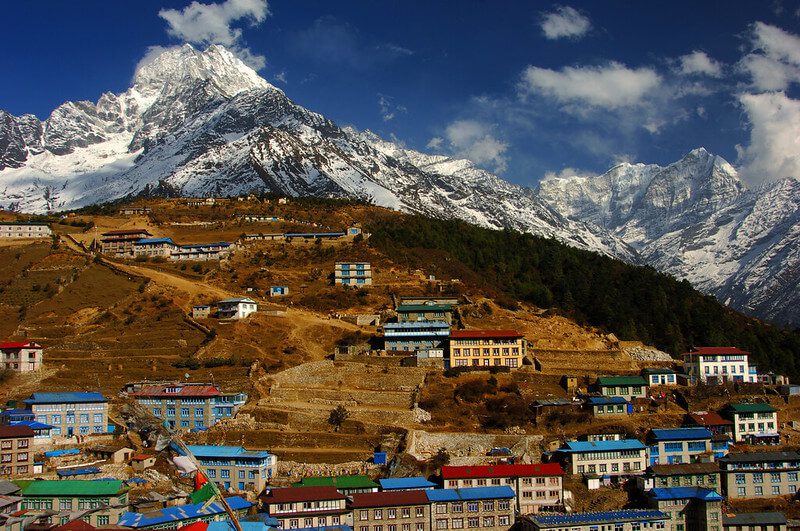
Day 4: Trek to Namche Bazaar (3,440m/11,286ft), 5-6 hours: Cross Hillary Bridge and climb to the Sherpa capital.
Day 5: Acclimatization Day in Namche (3,440m/11,286ft), 4-5 hours hike: Hike to Everest View Hotel or Khumjung village, essential for altitude adjustment.
Day 6: Trek to Tengboche (3,860m/12,664ft), 5-6 hours: Beautiful trek through rhododendron forests to the famous monastery.
Day 7: Trek to Dingboche (4,410m/14,468ft), 5-6 hours: Continue through Imja Valley into a higher altitude zone.
Day 8: Acclimatization Day in Dingboche (4,410m/14,468ft), 4-5 hours hike: Hike to Nangkartshang Peak or rest, crucial for adaptation.
Day 9: Trek to Lobuche (4,910m/16,109ft), 5-6 hours: Pass climber memorials at Thukla Pass, temperatures drop significantly.
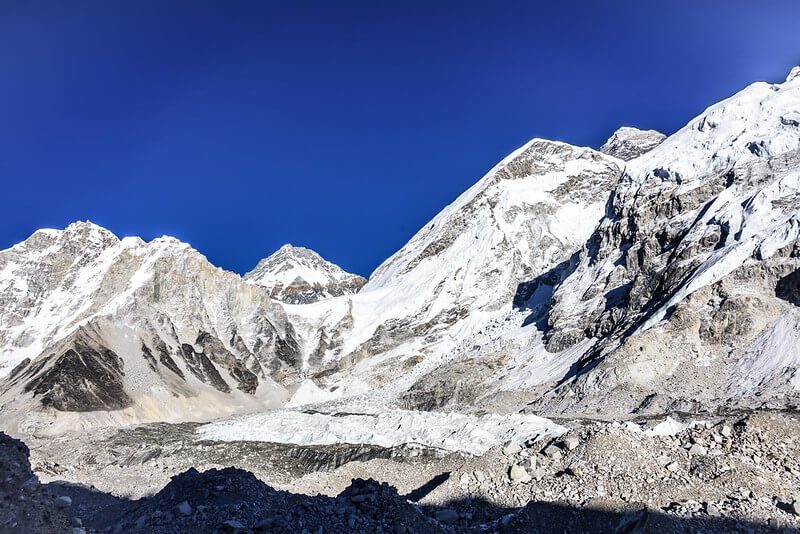
Day 10: Trek to Gorak Shep (5,170m/16,962ft) and Visit Everest Base Camp (5,363m/17,595ft), 7-8 hours: Reach Everest Base Camp, the ultimate goal!
Day 11: Hike to Kala Patthar (5,550m/18,209ft) at sunrise, then to Pheriche (4,371m/14,340ft), 6-7 hours: Best Everest sunrise views, then quick descent.
Day 12: Trek to Namche Bazaar (3,440m/11,286ft), 6-7 hours: Downhill journey, celebrated with a hot shower.
Day 13: Trek to Lukla (2,860m/9,383ft), 6-7 hours: Final trekking day, celebration with team.
Day 14: Fly to Kathmandu (1,360m/4,462ft), 30 minutes: Morning flight (weather permitting), hot shower and celebration dinner.
Day 15: Final Departure: Last-minute shopping or rest before airport transfer.
This 15-day itinerary includes two essential acclimatization days and proper buffer time for March’s unpredictable Lukla flights.
Guide and Porter: Do You Need Them?
When trekkingEverest Base Camp in March, having a guide isn’t just recommended but it’s essential for your safety and success.
Why you need a guide for March:
- March weather is unpredictable at times so experienced guides read conditions and make crucial timing decisions.
- Snow on the trail requires someone who knows the route intimately.
- Altitude sickness can be life-threatening and guides recognize early warning signs and act immediately.
- They handle all logistics, permit checkpoints, and teahouse bookings
- Cultural insights and local knowledge transform your experience from a hike to a journey
- Emergency support if weather turns severe or health issues arise
If you’re planning your March trek, I highly recommend booking through a registered agency like Nepal Mountain Adventure. Ensure your guide is certified by the Nepal Mountaineering Association and has specific March experience. Having a professional guide means you can focus on enjoying the adventure while they handle the challenges that shoulder-season trekking presents.
Prior Booking Requirements
What to book in advance for March:
International flights: Book 3-4 months ahead (so November-December for March trek)
Kathmandu-Lukla flights: Book 2-3 months ahead. These are crucial and can sell out, especially as March progresses toward peak season.
Guide/porter services: Book 1-2 months ahead through a registered agency in Kathmandu. This ensures you get experienced guides.
What you DON’T need to book:
- Teahouse accommodation on the trail (March has plenty of availability)
- Meals (ordered daily at teahouses)
- Most gear (can rent in Kathmandu)
The exception: If you’re traveling in late March or with a large group, consider having your guide book a few key teahouses in advance.
Packing List for Everest Base Camp in March
This is where March requires special attention. You’re packing for extreme cold at high altitude, but it can be warm during the day at lower elevations. Layering is everything.
Clothing (The Layer System):
Base Layers:
- 2 sets of thermal underwear (top and bottom) merino wool or synthetic
- 3 moisture-wicking t-shirts
- 2 long-sleeve hiking shirts
Mid Layers:
- 1 fleece jacket or pullover
- 1 down jacket (absolutely essential for March!) rated for -20°C
- 1 pair insulated pants for evening wear
Outer Layers:
- 1 waterproof, windproof jacket
- 1 pair waterproof pants
- 2 pairs trekking pants
- 1 pair shorts (for lower, warmer elevations)
Head, Hands, Feet:
- Warm beanie (critical at night)
- Sun hat with brim (UV is intense at altitude!)
- Buff or neck gaiter
- Thin liner gloves
- Thick insulated gloves or mittens
- Sunglasses with UV protection (Category 4 if possible)
- 4-5 pairs wool or synthetic socks
- 1 pair broken-in trekking boots (waterproof)
- 1 pair camp shoes or sandals
- Gaiters (useful if you hit snow)
Essential Gear:
- Sleeping bag rated to -15°C to -20°C (can rent in Kathmandu for $1-2/day)
- 40-50L backpack if using porter; 60-70L if carrying everything
- Trekking poles (incredibly helpful, especially descending)
- Headlamp with extra batteries
- 1 water bottles (1-liter each) or hydration system
- Water purification tablets or filter
- Power bank (10,000+ mAh)
- Sunscreen SPF 50+ (you’ll burn quickly at altitude)
- Lip balm with SPF
- Basic first aid kit
- Personal medications
- Toilet paper and wet wipes
- Quick-dry towel
- Stuff sacks for organization
Documents:
- Passport (6 months validity)
- 4 passport-sized photos for permits
- Travel insurance documents
- Cash (USD and Nepali Rupees ATMs are limited above Namche)
What NOT to pack:
- Cotton clothing (dangerous when wet)
- Too many clothes (you’ll wear the same things repeatedly)
- Heavy books (bring Kindle)
- Excessive toiletries
Pro tip: You can rent or buy most gear in Thamel Kathmandu. The “North Face” and other local brand knock-offs are cheap and surprisingly good quality for a single trek.
Permits for Everest Trek
You need two permits for the EBC trek:
Sagarmatha National Park Entry Permit
- Cost: NPR 3,000 (~$23 USD)
- Where: Nepal Tourism Board office in Kathmandu OR at the entry gate in Monjo
- Required: Passport, 2 passport photos
Khumbu Pasang Lhamu Rural Municipality Permit
- Cost: NPR 2,000 (~$15 USD)
- Where: Same locations as above
- Required: Passport, 1 passport photo
Good news: The TIMS card is no longer required for EBC trek! Till now.
If you hire a guide through an agency, they typically handle permits for you. Just provide passport copies and photos.

Highlights of Trekking EBC in March
Let me tell you what makes March so special:
Crystal Clear Mountain Views: The post-winter air is crisp and clean. You’ll see mountain details that are impossible during cloudier months. Every morning felt like a gift, waking up to perfect views of the Himalayas.
Fewer Crowds, More Connection: With fewer trekkers on the trail, I had genuine conversations with locals, learned about Sherpa traditions, and even got invited to a local family’s home for tea. These moments don’t happen as easily when lodges are packed.
Rhododendron Blooms Beginning: While peak bloom is April-May, late March starts showing the first rhododendrons, Nepal’s national flower, in the lower forests. Pops of pink, red, and white against the mountain backdrop are stunning.
Witness Climbing Season Prep: March is when Everest expedition teams start arriving at base camp. You’ll see climbers, equipment, and the energy of preparation for summit attempts. It adds excitement to the atmosphere.
Photography Paradise: The combination of clear skies, dramatic lighting, and fewer people creates perfect photography conditions. The sunrise from Kala Patthar in March, with that pink alpenglow on Everest is something I’ll never forget.
Sherpa Culture: Visit Tengboche Monastery when it’s quieter. Listen to the monks’ prayers. Watch prayer flags flutter against impossibly blue skies. March gives you space to actually absorb the spiritual atmosphere of the Khumbu region.

Possible Flight Changes and Cancellations for Everest Region in March
Let’s talk about Lukla flight anxiety, because it’s real! Lukla Airport is one of the world’s most dangerous airports, built on a mountain slope where flights depend entirely on weather. In March, flight delays or cancellations happen about 30-40% of the time.
Why Delays and Cancellations Happen
March weather is unpredictable with rapidly changing visibility and wind patterns. Lukla has no air traffic control, pilots fly by sight only. If they can’t see the runway, flights are delayed or cancelled. Safety always comes first!
Flights from Ramechhap
During early March, most flights depart from Ramechhap Airport (not Kathmandu), requiring a 4-5 hour drive and a 2-3am departure. It’s inconvenient but reduces delays due to better weather conditions.
What Happens During Delays?
You wait for sometimes hours, sometimes days. If cancelled, you’ll need accommodation near the airport. Your options: wait it out (most common, weather gets clear in 1-2 days), helicopter charter ($500-800 per person, often covered by insurance after 24 hours), or overland route via Salleri (adds 2-3 days).
How to Prepare
Build in 2-3 buffer days before your international flight, book early morning departures, get comprehensive travel insurance covering delays and cancellations, and keep your return flight flexible. My flight was delayed 8 hours, but accepting this as part of the Lukla adventure made all the difference. When we finally took off, everyone cheered!

Festivals in Nepal During March 2025
One of the unexpected bonuses of trekking in March is experiencing Nepali colourful festivals!
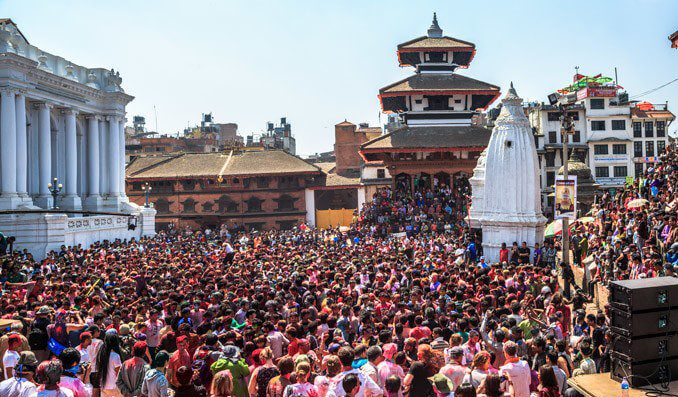
Holi (Festival of Colors) – March 3, 2026
Holi celebrates spring with vibrant colored powder and water thrown everywhere in joyful celebration. If you’re in Kathmandu during Holi, the streets become a rainbow of colors, it’s incredibly fun but messy! Protect your trekking gear with plastic bags. The celebration is quieter in the mountains but you’ll still feel the festive spirit.
Losar (Tibetan New Year) – Usually February/Early March
Losar is the Sherpa and Tibetan Buddhist New Year, sometimes extending into early March. If you’re lucky enough to trek during Losar, you’ll see monastery ceremonies with prayers and chanting, taste traditional foods and change (local barley beer), watch families visiting each other in traditional dress, and enjoy festive decorations everywhere. Some teahouses might have limited services during main celebration days, but it’s an amazing cultural experience you won’t forget.
Maha Shivaratri – Late February/Early March
This major Hindu festival honoring Lord Shiva usually falls in late February but sometimes extends into early March. The main celebrations happen at Pashupatinath Temple in Kathmandu, where thousands of pilgrims gather.. If you’re in Kathmandu before your trek, it’s worth witnessing.
Should You Plan Around Festivals?
- Good things about festival timing: Unique cultural experiences, incredible photo opportunities, seeing authentic traditions, and enjoying festive village atmosphere.
- Things to consider: Some services might close during major festival days, Kathmandu gets busy and chaotic during Holi, and flights might be more crowded.
My recommendation? If Holi falls during your trek, embrace it! Just protect your trekking gear. If you catch Losar in the mountains, consider it a bonus cultural experience you’ll treasure forever.
Is March Really the Right Time for Your EBC Trek?
After sharing everything about trekking EBC in March, let me give you my honest bottom-line assessment.
March is absolutely fantastic if you:
- Want fewer crowds and a more authentic experience
- Are comfortable with cold temperatures
- Have proper cold-weather gear or can rent it
- Have a flexible schedule (those buffer days matter!)
- Are excited about spring transition season
- Want crystal-clear mountain photography
- Don’t mind being slightly more adventurous than peak-season trekkers
Consider waiting for April-May if you:
- Are a first-time high-altitude trekker and want milder conditions
- Are very sensitive to cold
- Have an absolutely rigid schedule (flight delays would be disastrous)
- Want the trail to be busiest with maximum social atmosphere
- Want guaranteed warmer temperatures
My personal Suggestion ? March is spectacular. Yes, I needed that extra warm sleeping bag. Yes, I had flight delays. Yes, nighttime temperatures at Gorak Shep were brutal.
But standing at Everest Base Camp with maybe 20 other people instead of 200? Having clear skies for 11 out of 14 days? Getting to chat with teahouse owners over evening tea because they weren’t rushed? Watching the sun rise over Everest from Kala Patthar with pristine visibility?
Those experiences made every cold night worth it.
Your March EBC Adventure Awaits
The Everest Base Camp trek changes people. It’s not just about reaching 5,364 meters—it’s about pushing your limits, experiencing a different culture, and standing in the shadow of the world’s highest mountain.March offers something unique: fewer crowds, crystal-clear skies, and a rawer, more authentic Himalayan experience. Yes, it’s colder. Yes, it requires extra preparation. But that’s exactly what makes it special.
If you’re feeling that pull toward the Himalayas, start planning now. March 2026 could be your time.
Ready to begin? Start training today, book those flights, and prepare for the adventure of a lifetime. The mountains are waiting, and standing at Everest Base Camp in March, looking up at that massive peak, that feeling is priceless.

FAQs,
What is the best time to trek to Everest Base Camp?
The best times are pre-monsoon (March-May) and post-monsoon (September-November). March specifically offers advantages like fewer crowds, exceptional visibility, and the beginning of rhododendron blooms. April-May are warmer but busier. October-November offers stable weather but peak crowds.
Can beginners do Everest Base Camp trek in March?
Yes, but with proper preparation. The trek is graded moderate to challenging and doesn’t require technical climbing skills. However, March’s colder temperatures mean beginners need adequate cold-weather gear, good physical fitness (4-6 hours hiking capability), and ideally a guide.
Do I need acclimatization days for Everest Base Camp trek?
Absolutely yes! Acclimatization days are non-negotiable. The standard itinerary includes 2 rest days (at Namche Bazaar and Dingboche) where you “climb high, sleep low” to help your body adjust.
Is trekking to Everest Base Camp expensive?
It’s moderately priced compared to other adventure treks. The biggest expenses are flights (international + Lukla), guide services, and food at high altitude (prices double as you climb). However, teahouse accommodation is affordable ($3-10/night), and March offers lower prices than April-May.
What currency should I bring for the Everest Base Camp trek?
Bring a mix of USD (for easy exchange in Kathmandu) and Nepali Rupees. ATMs are only reliable up to Namche Bazaar, so withdraw enough cash before starting. Teahouses accept only cash, no cards.
Do I need a guide for Everest Base Camp trek?
A guide is highly recommended, especially in March. Benefits include: safety in unpredictable March weather, route knowledge if there’s snow, early recognition of altitude sickness symptoms, logistics handling (permits, teahouses), cultural insights, and emergency support.
Can I trek to Everest Base Camp solo?
Technically yes, the trail is well-marked and teahouses are frequent. However, for March specifically, solo trekking is riskier due to colder weather, potential snow, and lower numbers of other trekkers.Most trekkers hire at least a guide for safety.
What is altitude sickness and how can I prevent it?
Altitude sickness (AMS) occurs when you ascend too quickly for your body to adjust to lower oxygen levels. Symptoms include headache, nausea, dizziness, and fatigue.
Prevention: Follow the itinerary with acclimatization days, ascend slowly (“climb high, sleep low”), drink 3-4 liters of water daily, avoid alcohol, eat carbohydrates, and listen to your body. Some trekkers take Diamox (consult your doctor). Never ignore symptoms, they can become fatal.
Can I rent trekking gear in Kathmandu?
Yes! Thamel, Kathmandu has numerous shops renting quality gear. Common rentals: sleeping bags ($1-2/day), down jackets ($1-2/day), trekking poles ($1/day), and duffel bags. You can also buy affordable knock-off brands for $30-50 that work perfectly for one trek.
What type of sleeping bag do I need for Everest Base Camp in March?
You need a sleeping bag rated for -15°C to -20°C minimum. March nights at high altitude (Lobuche, Gorak Shep) drop to -15 to -20°C. Teahouses provide blankets but they’re insufficient. Down bags are warmer and more compact than synthetic. If you don’t own one, rent in Kathmandu for $1-2 per day is much cheaper than buying.
How often are Lukla flights delayed in March?
Lukla flight delays occur 30-40% of the time in March due to unpredictable weather, rapidly changing visibility, and wind patterns.Delays can range from hours to 2-3 days. This is why buffer days (2-3 extra days) are essential in your itinerary. Book early morning flights for better chances, and get comprehensive travel insurance covering delays.
What happens if my Lukla flight is cancelled?
You have three options:
(1) Wait it out, most common, weather usually clears in 1-2 days (hence buffer days),
(2) Helicopter charter costs $500-800 per person (shared), often covered by insurance after 24-hour delays, or
(3) Overland route via Salleri/Phaplu adds 2-3 days by jeep then trekking. Build 2-3 buffer days before your international departure and keep your return flight flexible.
Is WiFi available on Everest Base Camp trek?
Yes, But limited and expensive. Most teahouses offer WiFi for $1-2 per day or per hour. Signal strength decreases at higher altitudes and may be unreliable. Buy a local SIM card (Ncell or Nepal Telecom) in Kathmandu these work up to Gorak Shep with 3G/4G coverage in main villages.


