

Everest Base Camp Trek Teahouses and Accomodation.
A teahouse is a small, family run guesthouse found in the villages along the Everest Base Camp trek, offering a simple room to sleep in and a hot home cooked meal at the end of the day.Nearly every trekker on the route stays in one, whether solo, with a guide, or as part of a group, since teahouses are the standard form of Everest Base Camp accommodation. They matter because without them, you’d need to carry your own tent, stove, and food for two weeks at high altitude, teahouses are what make the trek accessible without a full expedition setup.
You’ve booked your flights, started training, and now a smaller but very real question is nagging at you. What are these places actually like once you’re there? This guide walks you through everything, what Everest Base Camp lodges cost, how EBC accommodation changes as you climb, and what to expect at each stop along the way.
Where to Stay on the Everest Base Camp Trek, Village by Village
Comfort drops a little each day as you climb higher, and knowing what to expect at each stop makes the whole trip feel far less like a surprise. Here’s a village by village look at where to stay on the Everest Base Camp trek. If this is your first time trekking at altitude, our Everest Base Camp trek for beginners guide is worth reading alongside this one, since a lot of what makes those early days manageable ties directly into where you’re sleeping and eating.
Phakding and the Lower Villages
Your first night out of Lukla still feels close to normal life. Rooms usually come with a private bathroom, running water, and steady electricity. It’s a gentle start before things get simpler higher up the trail.
Namche Bazaar
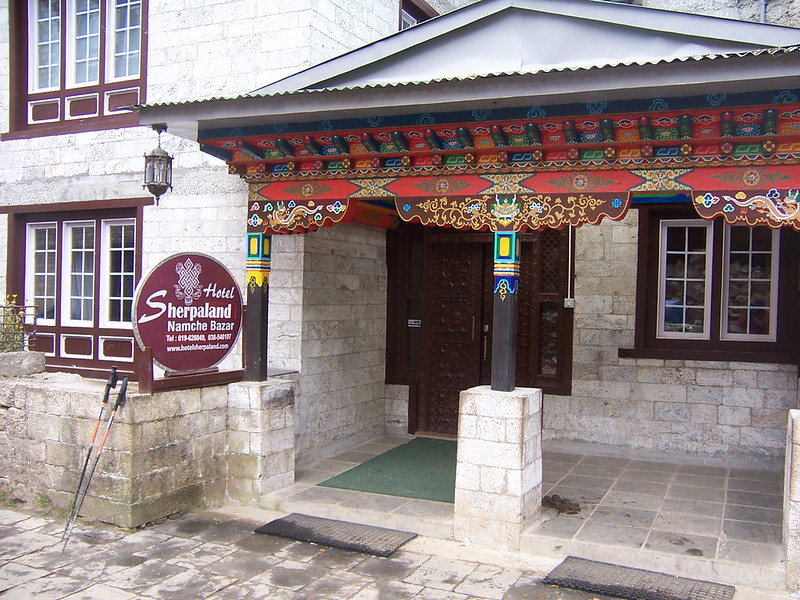
Namche is the biggest and best equipped village on the whole route, and most trekkers spend two nights here to acclimatize. Hot showers are common, WiFi actually works most of the time, and there are bakeries, gear shops, and a few cafes that even pull a decent espresso. If you want one proper hot shower and reliable internet during your trip, this is the place to enjoy it, since both get much harder to find above here.
Tengboche and Deboche
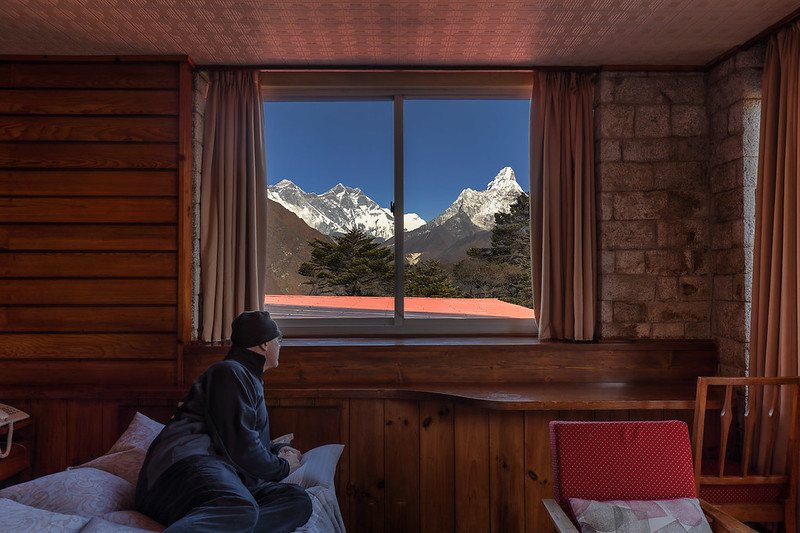
Home to the biggest monastery in the Khumbu, Tengboche gives you simple, honest rooms with some of the best views on the entire trek, Ama Dablam and Everest right there from the dining room window. Facilities are a step down from Namche, hot showers may cost a little extra and aren’t always available, but the setting more than makes up for it.
Dingboche
Rooms here get noticeably more basic, thinner walls, simpler bedding, and showers that are less reliable and often just a bucket of hot water. Dingboche is usually your second acclimatization stop, so you’ll likely spend two nights here, which gives you a proper feel for how the trail is shifting under your feet.
Lobuche
One of the last villages with proper lodging before Gorak Shep. Choices are limited, rooms are basic, and during busy weeks it’s genuinely possible to show up and find every bed taken, with some trekkers ending up on a bench in the dining room instead. Hot showers are rare, and pricey when you can even find one.
- Charging and hot water both get noticeably more expensive from here upward
- If you have a guide, having them book ahead matters more at this point than anywhere lower on the trail
Gorak Shep
The last overnight stop before Base Camp itself, and by most accounts, the toughest night of the whole trek. Rooms are small, thin walled, and cold, hot showers are basically nonexistent, and the altitude headache a lot of trekkers feel by this point doesn’t help matters. Most people only spend one or two nights here before heading back down or continuing on. If you’d rather skip the multi day walk back down entirely, an Everest Base Camp helicopter tour from Gorak Shep is worth considering for your return leg.
There’s actually no teahouse at Everest Base Camp itself. Everyone sleeps in Gorak Shep, about an hour’s walk away, and the only way to properly overnight at Base Camp is through a special arrangement with an expedition team, which isn’t part of a normal trek.
How Much Does Everest Base Camp Accommodation Actually Cost
Teahouse pricing works a bit differently than a normal hotel, and understanding the system before you go will save you some head scratching on the trail.
| Item | Typical Cost | Notes |
| Room, lower altitude | $3 to $10 a night | Often discounted if you eat dinner and breakfast there too |
| Room, higher altitude (Lobuche, Gorak Shep) | Often $5 to $10 | Less room to negotiate as beds get scarcer |
| Meals, all three combined | $25 to $50 a day | |
| Hot shower | $2 to $6 | |
| WiFi | $2 to $5 an hour, or a data card for around $20 to $30 | |
| Charging a phone or camera | $2 to $7 an hour or per charge |
Here’s the part that surprises most first timers. Room rates are genuinely low, and they’re also semi negotiable, unlike your food, shower, or charging costs, which tend to be fixed. The real income for teahouse owners comes from meals, not beds, so if you agree to eat breakfast and dinner at the same teahouse you’re sleeping at, owners will often knock the room price down, sometimes to just a dollar or two a night. It’s rarely advertised outright, but it’s a normal, expected part of how the system works, so don’t be shy about asking if the room rate can come down a little if you’re eating there too. Trying to eat somewhere else instead usually means paying full price for the room, so it’s simplest, and cheaper, to treat your teahouse as your restaurant for the night as well.
Cash is the only way to pay almost everywhere above Lukla, there are no ATMs and cards are rarely accepted, often with an extra fee where they are. Withdraw what you need in Kathmandu before flying out, most trekkers carry somewhere between $300 and $700 in cash to cover everything extra along the way. For a full sense of how accommodation fits into your overall trip spend, our Everest Base Camp trek cost breakdown covers every other expense too.
What Everest Base Camp Lodges and Facilities Are Actually Like
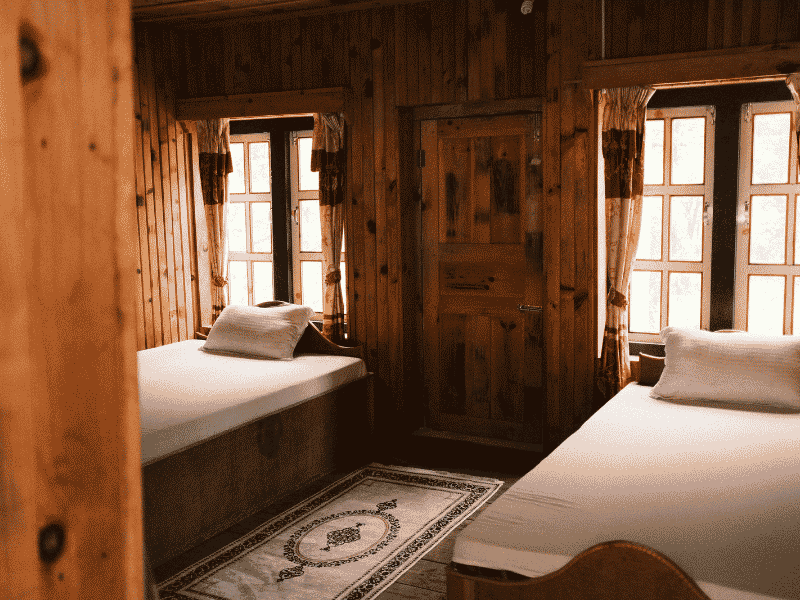
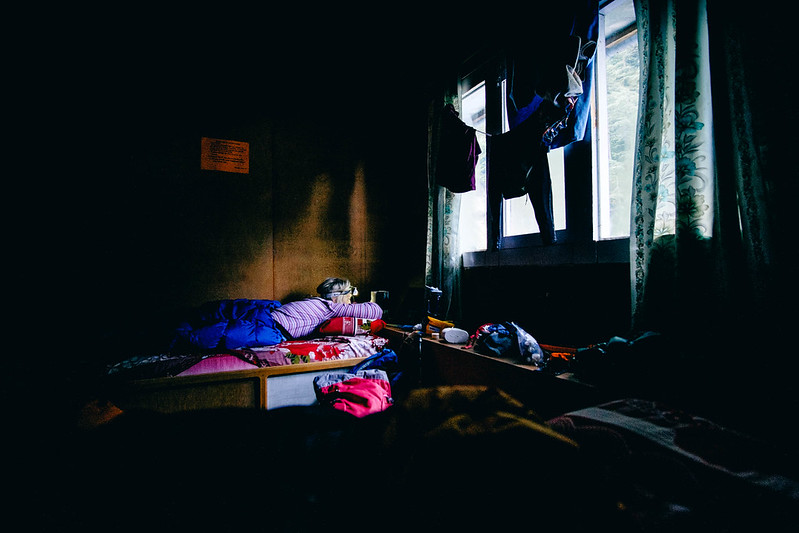
A typical teahouse room is simple, twin beds with a foam mattress, a pillow, and a blanket, small enough to feel more like a cozy nook than a hotel room. Walls are thin, so earplugs genuinely help, and most trekkers bring their own sleeping bag rather than relying only on the blankets provided, since it gets cold indoors too once the sun goes down.
Sharing a room with someone of the same gender is standard if a room needs to be shared, and a private room to yourself isn’t always guaranteed, especially during busier weeks when every bed matters.
The dining hall is the real heart of every teahouse. It’s usually the only heated room in the whole building, warmed by a stove in the middle, often burning dried yak dung as fuel, and it’s where trekkers from all over the world end up swapping stories, drying wet socks, and charging phones before dinner. If you want to actually meet people on this trip, the dining hall is where it happens.
Toilets follow the same pattern as everything else, nicer lower down, simpler higher up. Flush toilets are common in Lukla and Namche, while squat toilets and simple bucket systems become the norm from Tengboche onward.
How to Choose a Good Teahouse ?
You usually don’t get to browse and compare, most trekkers stay wherever their guide leads them or wherever has an open bed when they arrive, but there are still a few things worth watching for if you do have a choice.
A room near the dining hall tends to be a little warmer than one at the far end of the building, since heat from the stove doesn’t reach the edges as well. If a teahouse looks freshly built or recently renovated, that’s usually a good sign for insulation and cleaner bathrooms, older buildings tend to be draftier no matter how well kept. It’s also worth peeking into the dining hall before committing, a lively, busy dining hall generally means good food and a well run kitchen, since trekkers and guides tend to gather where the food is actually good.
If you’re trekking independently, asking other trekkers coming down the trail which Everest Base Camp tea houses they liked is one of the most reliable ways to find a solid one, word of mouth travels fast on this route.
Do You Need to Book Teahouses Ahead of Time ?
This is one of the most common questions, and the honest answer depends on your season and whether you’re trekking with a guide or on your own.
During busy season, October and April especially, teahouses along the popular stretches can fill up, and solo trekkers without a guide occasionally do end up on a dining room bench instead of a bed. If you’re trekking with a guide, this worry mostly disappears, guides usually call ahead or send a porter ahead of the group to hold rooms before you arrive. This is one of the clearer arguments for trekking with a local Nepalese agency rather than going fully independent, especially if your dates fall in peak season.
During quieter months, like December and January, pre booking generally isn’t needed at all, teahouses have plenty of room and you can just show up and ask. If you’re going solo during busier months, arriving at your teahouse before evening, ideally before 7 PM, gives you the best shot at both a bed and a warm meal before the kitchen closes for the night.
Common Teahouse Myths, Busted
A few things get repeated so often online that trekkers arrive expecting problems that usually don’t happen.
“You have to book every teahouse months in advance.” Not true for most of the year. This only becomes a real concern during peak season on the busiest stretches, and even then, trekking with a guide largely solves it, since they book ahead as they go.
“Teahouses are unsafe or unhygienic.” Kitchens are generally cleaner than people expect, the real risk is specific, mainly meat that’s traveled a long way without refrigeration, not the teahouses themselves.
“You’ll be freezing all night with no way to warm up.” The dining hall is heated and open until fairly late, and extra blankets are almost always available on request, so while bedrooms are cold, you’re rarely without a way to warm up before sleep.
Everest Base Camp Food and Water Guide
Food and water matter just as much as boots and a sleeping bag on the Everest Base Camp trek. As you climb, menus become smaller, prices rise, and appetite can drop, so the goal is simple: eat regular, carbohydrate-rich meals, drink treated water consistently, and choose food that is freshly cooked and served hot.
What You’ll Eat at Teahouses
Most teahouses serve a familiar core menu: dal bhat, fried rice, noodles, pasta, potatoes, soups, Tibetan bread, eggs, porridge, pancakes, and hot drinks. Dal bhat is usually the best-value trail meal because it is filling, vegetarian, and commonly comes with extra rice and lentil soup.
For breakfast, porridge, eggs, Tibetan bread, pancakes, or potatoes give you steady energy before walking. At lunch and dinner, choose rice, noodles, potatoes, pasta, soup, or dal bhat. These foods are easy to digest and provide the carbohydrates your body uses during long days of trekking.
Pack a few familiar snacks from Kathmandu, such as nuts, chocolate, energy bars, electrolyte sachets, or dried fruit. They are useful between villages, on acclimatization hikes, and on days when you do not feel like eating a full meal.
Food Safety on the Trail
The safest choice is food that is thoroughly cooked and arrives steaming hot. Take extra care with food that is raw, undercooked, unpeeled, or has been sitting out for some time.
- Choose vegetarian meals, especially above Namche, where transporting and refrigerating meat is more difficult.
- Avoid raw salads, unpeeled fruit, raw eggs, and unpasteurized dairy products.
- Peel fruit yourself after washing your hands with safe water or sanitizer.
- Ask for drinks without ice unless you know it was made with treated water.
- Wash hands with soap and water before eating whenever possible; use hand sanitizer when water is unavailable.
Garlic soup is a popular warm trail meal, but it does not prevent or cure altitude sickness. It can be comforting and help you take in fluids, but gradual ascent, rest days, and recognizing symptoms remain the important safeguards.
Drinking Water on EBC
Do not rely on untreated tap water, streams, or water tanks. Use factory-sealed bottled water or water that has been properly boiled, filtered, or disinfected. The same rule applies when brushing teeth and when choosing ice in drinks.
Most trekkers use one of these options:
- Boiled water from teahouses: Convenient and usually the simplest option; ask the lodge whether it has been fully boiled and carry it in a reusable bottle.
- Water-purification tablets or drops: Lightweight and useful as a backup. Follow the product instructions carefully, including treatment time.
- Water filter or purifier: A good reusable option, especially when paired with a backup method.
- Bottled water: Available along much of the trail but becomes more expensive at higher altitude and creates more plastic waste.
Carry two bottles or a hydration system with a total capacity of around 2 to 3 litres. In colder conditions, an insulated bottle helps stop water from freezing overnight. Keep one treated bottle accessible while walking rather than waiting until you are thirsty.
Hydration, Electrolytes, and Recovery
Regular sipping is more practical than trying to drink a large amount all at once. Water, tea, soup, and warm lemon drinks all add to your fluid intake, although alcohol should be avoided when acclimatizing.
Bring oral rehydration salts or electrolyte packets for long trekking days, headaches, diarrhea, or heavy sweating. If you develop persistent vomiting, significant diarrhea, confusion, severe weakness, or cannot keep fluids down, tell your guide or lodge staff and seek medical advice rather than continuing higher. Contaminated food and water can cause gastrointestinal illness, and dehydration can make an already difficult trekking day much harder.
Special Diets
Vegetarian trekkers usually have the easiest time because rice, lentils, potatoes, noodles, vegetables, and soups are widely available. Vegan, gluten-free, dairy-free, and allergy-sensitive trekkers should tell their guide before the trek and carry reliable backup snacks from Kathmandu.
Menus become less flexible above Dingboche and Lobuche. If you have a serious allergy or medical dietary need, bring translated dietary information, choose simple meals with recognizable ingredients, and avoid assuming that a dish is allergen-free without asking.
Staying Healthy at Teahouses
A few teahouse specific habits go a long way toward keeping you well on a trek where altitude is already working against you.
Meat is best avoided the higher you climb, since it travels up without refrigeration and can sit for days before it’s cooked, sticking to vegetarian meals meaningfully lowers your risk of stomach trouble. The dry mountain air combined with dust on the trail is also behind what trekkers commonly call the Khumbu cough, a persistent dry cough that shows up around Namche or higher, keeping your neck and mouth covered with a buff while walking and staying well hydrated in the evenings both help.
Staying warm at night matters more than it might seem, getting properly cold while you sleep can worsen how your body handles the altitude the next day, so don’t be shy about asking for an extra blanket, or layering up in your sleeping bag rather than toughing out a cold night to save face.
Comfort Upgrades and Nicer Lodges
Not every night on this trek has to be basic. A small number of nicer Everest Base Camp lodges have opened up along the route over the years, offering private bathrooms, hot showers on demand, electric blankets, and noticeably better food. They cost a fair bit more than a standard teahouse and can fill up even outside busy season, so plan ahead if you want one. A lot of trekkers land on a nice middle ground, standard teahouses most nights, with one splurge on a nicer lodge in Namche during the acclimatization day, when a real hot shower and a warm room genuinely help you recover.
Teahouse Etiquette Worth Knowing
Staying in a teahouse means staying as a guest in someone’s home, not a hotel room, and a little awareness goes a long way. This is really the heart of what teahouse trekking in Nepal is known for, small moments of hospitality and respect that make the trail feel like more than just a place to sleep. We’ve been guiding trekkers through these villages for years, and you can read more about how we work with local teahouse families on our about us page.
- Keep the noise down after around 8 PM, walls are thin and most people are trying to sleep before an early start
- Don’t crowd the stove, if a porter or guide looks cold, offer them the spot closest to the heat
- Carry your trash back out with you, batteries and plastic shouldn’t be left behind
- Dress modestly, especially near monasteries and in the more traditional villages, as a simple sign of respect to the Sherpa community
What to Pack Specifically for Teahouse Nights
A few things matter more for teahouse comfort than you’d expect.
- A warm sleeping bag, teahouse blankets alone often aren’t quite enough higher up
- Earplugs, for thin walls and the occasional barking dog outside
- A headlamp, for nighttime trips to a shared or outdoor bathroom
- A good power bank, charging gets pricey at altitude, so topping it up fully in Namche before heading higher saves you money
- A pillowcase, a small comfort and hygiene upgrade a lot of experienced trekkers swear by
For everything else you’ll need beyond just the teahouse specific items, our full Nepal trekking packing list covers the rest.
Things to Know Before Your First Teahouse Night
A few last practical points worth keeping in mind heading into your first night of Everest Base Camp accommodation.
- Bring small denominations of Nepali cash, teahouse owners often can’t break a large note for a small purchase
- Ask about the WiFi and shower cost before using them, not after, prices aren’t always posted
- Pack a headlamp you can reach easily, not buried at the bottom of your bag, you’ll want it fast after dark
- Treat the dining hall as your evening spot, it’s warmer, more social, and where most of the trek’s best conversations happen
Still have questions about teahouses, routes, or planning your trek in general? Feel free to get in touch and our team can walk you through it.
Frequently Asked Questions
What is a teahouse on the Everest Base Camp trek?
A teahouse is a small, family run guesthouse found in villages along the trail, offering a simple room and home cooked meals, the main form of Everest Base Camp accommodation used on the trek.
How much does a teahouse cost on the Everest Base Camp trek?
Rooms usually run $3 to $10 a night, though the real cost is meals, which typically add up to $25 to $50 a day since you’re expected to eat where you sleep.
Do you need to book teahouses ahead of time?
It depends on the season. During busy months like October and April it’s a good idea, especially if you’re solo, while in quieter months like December and January it usually isn’t necessary.
Is there WiFi at teahouses on the trail?
Yes, in most villages, though it’s slow and costs extra, usually $2 to $5 an hour or a prepaid data card for around $20 to $30.
Is there hot water at teahouses?
Yes at lower altitude, though it usually costs a little extra. Above Dingboche, hot showers get rarer and pricier, and a lot of trekkers switch to wet wipes higher up.
How much does charging your phone cost on the trail?
Usually $2 to $7 an hour or per charge, and it gets more expensive the higher you climb.
Are teahouses open all year?
Most stay open year round, though a few at higher altitude might close briefly during the coldest weeks of winter.
Can you get a private room at a teahouse?
Sometimes, but it’s not guaranteed, especially during busy season when every bed is needed to fit the number of trekkers on the trail.
Can solo trekkers book teahouses without a guide?
Yes, teahouses don’t need advance online booking, you can simply show up and ask, though during busy season this does carry more risk of full lodges than trekking with a guide.
What should I pack for teahouse stays?
A warm sleeping bag, earplugs, a headlamp, and a solid power bank make the biggest difference to how comfortable your nights actually are.
Can you sleep overnight at Everest Base Camp itself?
No, not as a regular trekker. Nepal’s Mountaineering Regulations restrict overnight stays at Base Camp to expedition members, guides, and approved support staff, everyone else sleeps in Gorak Shep and visits Base Camp during the day.
Can you camp instead of staying in teahouses on the EBC trek?
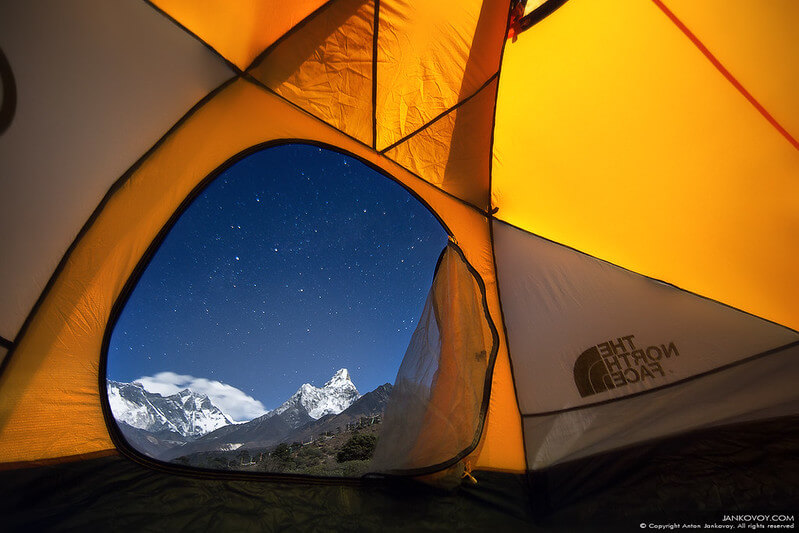
Technically yes, but it’s rarely done and not recommended. Teahouses are so widely available along the route that camping adds unnecessary cost and logistics without any real benefit, most trekking agencies don’t offer it as an option.
Do teahouses accept card payments?
Almost never above Lukla. A handful of higher end lodges in Namche take cards with a 3 to 5 percent surcharge, but everywhere higher up runs on cash only, so relying on a card past Namche isn’t realistic even if you plan to withdraw more along the way.
What’s the difference between a standard teahouse and a luxury lodge?
Beyond the obvious comfort gap, private bathroom, hot shower on demand, electric blanket, the biggest practical difference is booking. Luxury lodges have limited rooms and can sell out even in quieter months, so they need reserving ahead of time in a way standard teahouses generally don’t.
Do teahouse prices go up during peak season?
Yes, both room and food prices tend to rise slightly during October and April, and this is also when the semi negotiable room discount we mentioned earlier is hardest to get, since owners have less reason to bargain when demand is already high.