The Everest Base Camp Trek is a thrilling adventure, leading you to the base camp of Mount Everest, the world’s highest peak. Situated at an altitude of 5,363m, the Everest base camp is one of the best and most renowned trekking trails in the world.
The Everest Base Camp Trek typically starts and ends in Lukla, a small town in the Khumbu region of Nepal. To reach Lukla, most trekkers fly from Kathmandu, the capital city of Nepal. The flight itself is an exciting experience as you soar above the picturesque landscapes of Nepal, surrounded by mountains.
From Lukla, the trek begins with a walk through charming Sherpa villages, lush forests, and suspension bridges over the roaring Dudh Koshi River. The trail gradually ascends, passing through Namche Bazaar, a bustling market town and the gateway to the Everest region. Namche Bazaar is an excellent place for acclimatization, allowing trekkers to adjust to the altitude before continuing their journey.
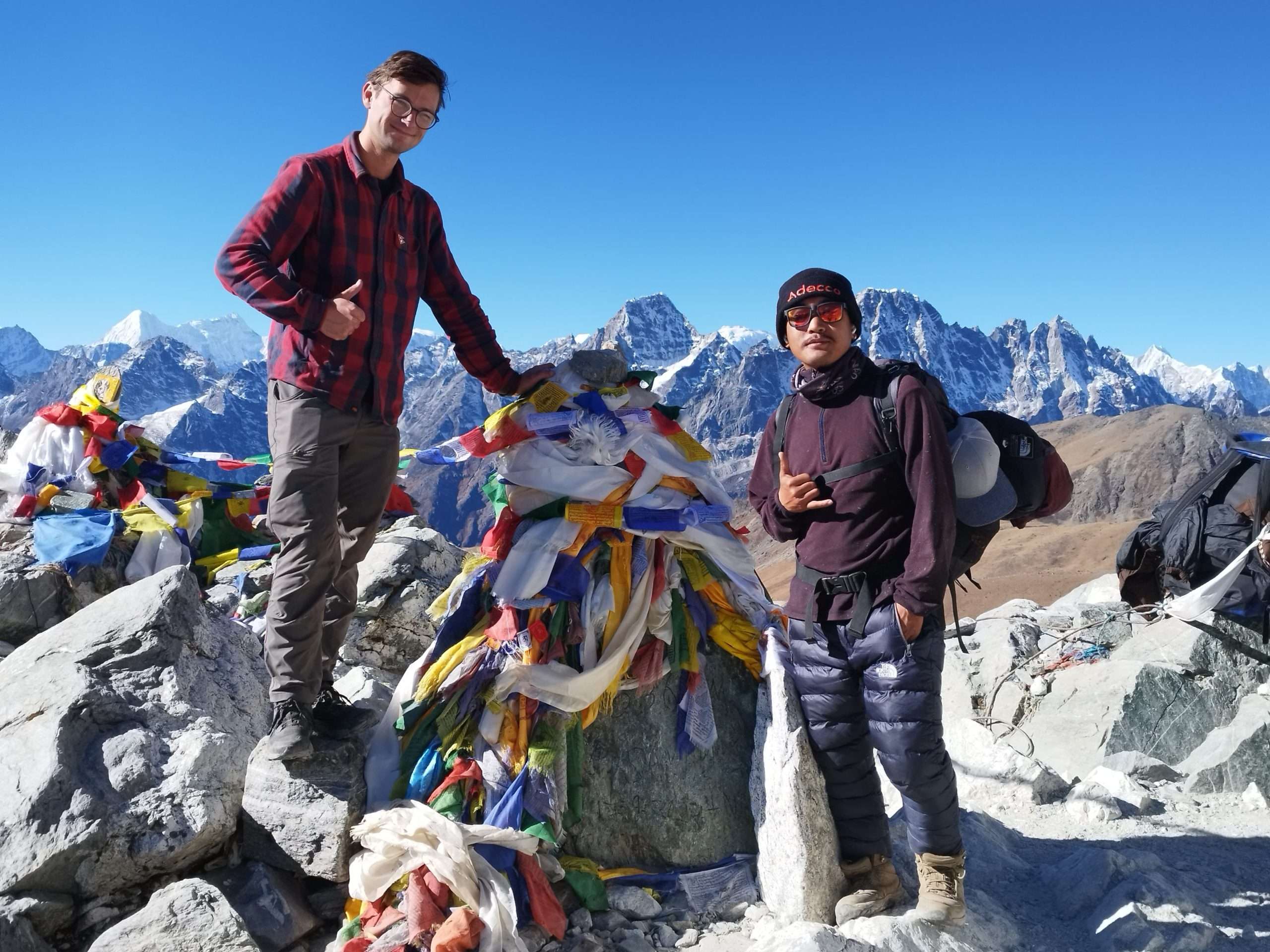
As the trek continues, you’ll pass through beautiful valleys and get closer to the magnificent peaks of the Khumbu region, including Ama Dablam, Lhotse, and of course, Mount Everest itself. You’ll encounter monasteries, prayer wheels, and colorful prayer flags along the way, offering insights into the local Sherpa culture and Buddhist traditions.
The Everest Base Camp Trek itinerary usually takes around 12-15 days, depending on the pace and acclimatization needs of the trekkers. The itinerary includes various stops at key locations such as Tengboche, Dingboche, Lobuche, Gorak Shep, and ultimately, Everest Base Camp itself. Each stop allows for rest, acclimatization, and breathtaking views of the surrounding peaks.
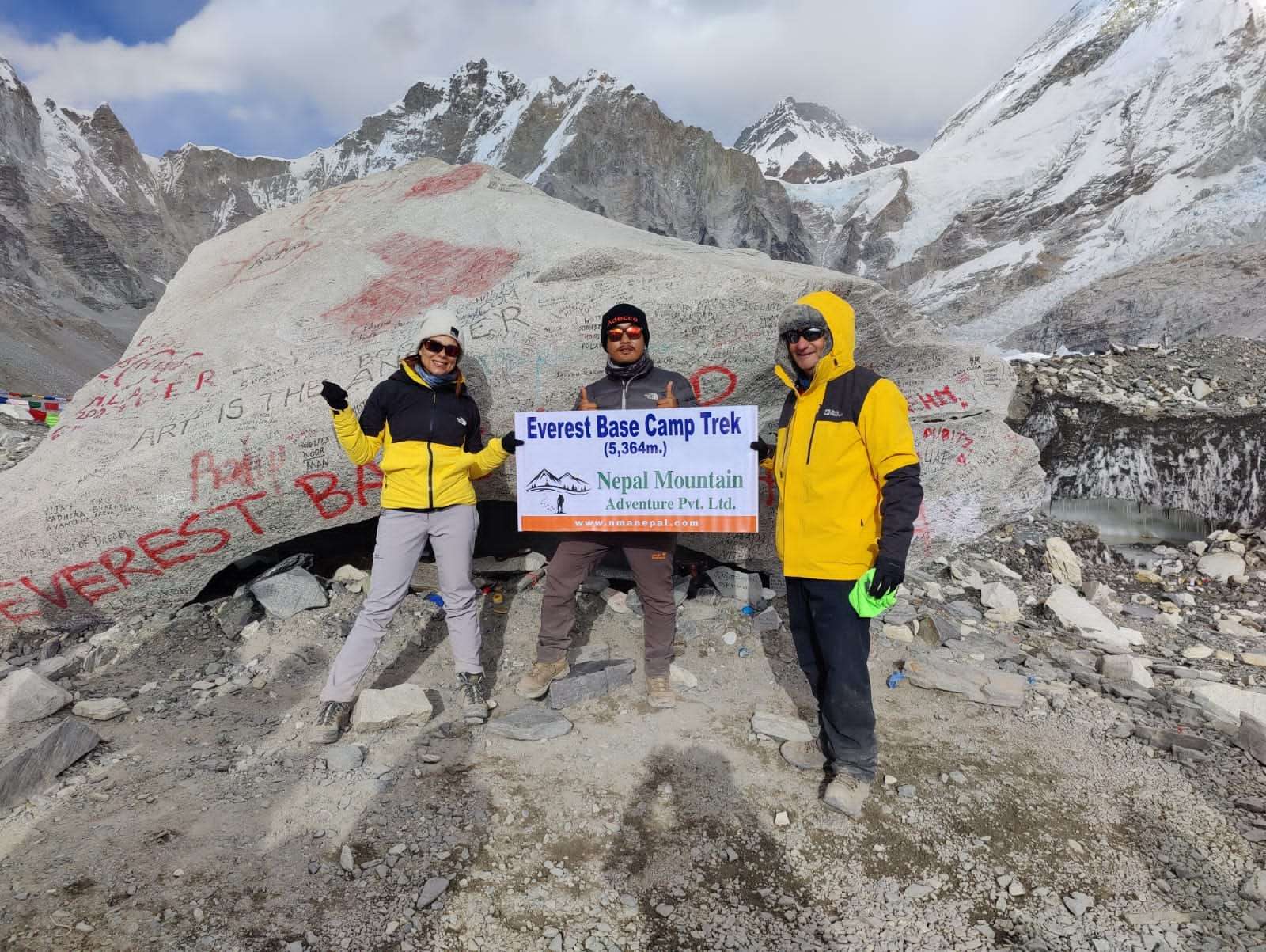
At Everest Base Camp, you’ll have the opportunity to stand at the foot of the world’s tallest mountain. The sense of achievement and awe at this iconic location is unparalleled. You’ll witness the Everest climbers preparing for their expeditions and experience the raw power and beauty of the Khumbu Icefall.
After reaching Everest Base Camp, many trekkers make a side trip to Kala Patthar, a popular vantage point that offers a stunning panoramic view of Mount Everest, Nuptse, and other neighboring peaks. The sunrise view from Kala Patthar is particularly memorable and often considered the highlight of the trek.
There are various Everest Base Camp trek packages available, ranging from basic to luxury options. The packages typically include transportation, accommodation, meals, permits, and the services of experienced guides and porters. It’s advisable to choose a package that suits your preferences and budget.
For those looking for a shorter trek, there is an option for the Everest Base Camp short trek. This trek is designed for those with limited time but still want to experience the beauty of the Everest region. The itinerary is condensed, usually lasting around 9-10 days, and requires a good level of fitness.
When considering the Everest base camp trek price, it’s essential to factor in costs such as flights to Lukla, trekking permits, accommodation, meals, guide, and porter fees, and any additional expenses for gear or personal items. The overall cost can vary depending on the package chosen and the duration of the trek.
It’s important to note that trekking in the Everest region requires physical fitness, mental preparation, and adequate acclimatization. It’s advisable to consult with our agency or our experienced trekking guide to ensure a safe and enjoyable journey.
Our meticulously crafted Everest Base Camp Trek itinerary ensures you make the most of your journey. Trek through quaint Sherpa villages like Namche Bazaar, Tengboche, and Dingboche, as you gradually ascend to the iconic Everest Base Camp. Capture breathtaking views of Everest, Lhotse, and Nuptse, and stand in awe of the Khumbu Icefall.
The best time to go on an Everest Base Camp trek is usually in spring (March to May) or autumn (September to November). That’s when the weather is usually nice and the sky is clear, so you can see the beautiful Himalayan mountains. It’s not too hot or too cold during these months, which makes walking easier.
The weather in the Everest area can change a lot depending on how high up you are and what time of year it is. Lower down, it’s usually warmer, but as you go higher, it gets colder. Sometimes it snows or gets very windy, especially in winter and during the rainy season. So, if you plan your trek for spring or autumn, you’ll have the best chance of good weather and enjoying the amazing views of Everest.
Note: If you want to reach the Everest Base Camp without doing the trek, then you can do Everest Base Camp by Helicopter as well.
Everest Base Camp trek packages offer a comprehensive experience that includes food, accommodation, permits, transportation, and a guide to assist throughout the journey. These packages vary in duration, typically ranging from 10 to 16 days, with each day involving walking at a different pace depending on the terrain and altitude gain. Accommodation options range from teahouses to lodges along the trail, providing basic amenities such as beds and meals.
Permits are required for trekking in the Everest region and are usually arranged as part of the package. Transport to and from the starting point of the trek, often in Lukla, is also included, either by flight or by road, depending on the package.
Experienced guides lead the treks, offering insights into the local culture, history, and geography while ensuring the safety and well-being of the trekkers. Depending on the package chosen, rest days may be incorporated to help acclimatize to the high altitude, and walking speeds may vary accordingly. Overall, Everest Base Camp trek packages provide a convenient and well-organized way to explore one of the world’s most iconic trekking destinations.
The cost of an Everest Base Camp trek varies depending on the package chosen and whether guide services are included. Typically, package prices cover accommodation, meals, permits, and transportation to and from the trek starting point, such as Lukla. For a comprehensive package that includes all these services along with a guide, the cost can range from around $1,200 to $1,800 per person for a standard 10 to 16-day trek.
However, if you opt for guide services only without a full package, the cost may be lower, typically ranging from $25 to $35 per day for the guide’s services alone. This option allows trekkers to arrange their accommodation, meals, and permits, providing more flexibility but requiring more independent planning. It’s essential to consider the level of support and convenience desired when choosing between a full package or guide-only service, with both options offering unique benefits and considerations in terms of cost and experience.
The Luxury Everest Base Camp trekking is like having a special treat while exploring the amazing Himalayan mountains. With luxury packages, trekkers can expect exclusive accommodations, including private rooms at available places along the trail, ensuring a restful and indulgent retreat after each day’s journey. Time flexibility is another hallmark of luxury trekking, allowing travelers to set their own pace and schedule, with the freedom to linger at breathtaking viewpoints or explore charming local villages at leisure.
Additionally, luxury packages offer special services such as helicopter return options from Gokyo Lake to Lukla, providing a swift and scenic alternative to traditional trekking routes. This allows trekkers to enjoy the stunning vistas of the Everest region from the air, adding an unforgettable touch of extravagance to their Himalayan adventure.
We Have this Special Package so please visit this package and get special service during the Everest base camp trek.
http://nmanepal.com/tour/everest-base-camp-luxury-trek/
Going on a group trek to Everest Base Camp is a great choice if you want to save money and have a lot of fun with others. In these group trips, you get to share the adventure with other travelers, which makes it more enjoyable. Since everyone pitches in, the cost is usually lower than going alone or with just a few people. It’s a cool chance to meet new friends from all over the world, swap stories, and make memories together while facing the challenges of the trek and admiring the amazing Himalayan scenery.
Whether you’re cheering each other on as you climb or celebrating reaching base camp, the feeling of working together and achieving something special makes the trip even better. Joining a group trek to Everest Base Camp not only saves you money but also adds to the fun by sharing the journey with others.
We Have almost every day group departure from our company during the season time and you can also ask us to join the group for your specific date we will try our best to create a group on your date.
For budget-conscious trekkers, our Budget Everest Base Camp Trek ensures a memorable experience without compromising on the essentials. Explore Everest while keeping costs in check.
For a seamless trekking experience, trust the best Everest Base Camp and the best trekking companies. We prioritize your safety, comfort, and enjoyment, offering expert guides, well-planned itineraries, and a commitment to responsible trekking practices. We are a local Nepal-based agency so no extra cost with a 99% success rate for your dream trek.
Accommodation: Hotel
Meals: Dinner
One of our representatives will be waiting for you outside the airport terminal building. Upon your arrival at the airport, you will be greeted and transported to the pre-arranged hotel. A quick meeting about trekking and preparation will be in the hotel. Afterward, you can check in and relax at the hotel for a bit.
Overnight in Kathmandu.
Accommodation: Hotel
Meals: Breakfast
Sightseeing tours of Kathmandu’s most beautiful sights are the main highlights of today. Stunning historical and cultural landmarks, as well as cheerful people, will be encountered during the trip.
Pashupatinath Temple
Pashupatinath Temple is a major Hindu shrine on the Bagmati River’s bank. The temple contains several small temples and Shiva shrines. Maha Shivaratri, Hinduism’s biggest festival, is held every year at Pashupatinath Temple. During the event, the temple is filled with Hindu devotees. Hundreds of thousands of Hindus visit the temple to partake in religious activities.
Boudhanath Stupa
Bouddhanath Stupa, also popularly known as Bouddha, is a sacred site for Buddhist followers. The stupa is the world’s largest, having been built in the 5th century. It is encircled by beautiful prayer wheels and covered in vibrant lama robes. The four pairs of eyes of Lord Buddha are depicted in all four directions. It signifies that Lord Buddha is always watching over people and their actions.
Swayambhunath
Swayambhunath is a religious site located west of Kathmandu city on top of a hill. The most beautiful temples, shrines, monasteries, and libraries are the major attractions of Swayambhunath. A beautiful view of Kathmandu can be seen from the site. It is regarded as the holiest Buddhist expedition site in comparison to other Buddhist expedition sites. Bouddha, on the other hand, comes first in Tibetan Buddhism, followed by Swayambhunath.
You will be brought to your hotel in the evening. Prepare your trekking gear and necessary items before going to bed because you’ll be leaving early the following day.
Overnight in Kathmandu.
Flight Duration: 30-35 minutes
Accommodation: Tea house
Meals: Breakfast, Lunch, and Dinner
Today is the first day of the trek to Everest Base Camp. Our staff will take you to the airport in the early morning for your trip to Lukla.
The flight to Lukla is short but beautiful. With a great view of the Kathmandu valley, the flight takes off. As the flight advances towards Lukla, you’ll come across some splendid mountain ranges. You arrive in Lukla not long after.
After spending some time in Lukla, you trek to Phakding. The hike is straightforward and begins with a rocky downhill. It takes you to Cheplung and the Dudh Koshi river’s edge. Ascending farther, you arrive at Phakding.
Overnight in Phakding.
Accommodation: Tea house
Meals: Breakfast, Lunch, and Dinner
The trek to Namche Bazaar, which crosses rivers and valleys, is filled with suspension bridges. It’s both challenging and enjoyable at the same time. You head out of Phakding after breakfast. You hike through Benkar, and soon enough, Mt. Thamserku’s spectacular sight dazzles your eyes.
After crossing several suspension bridges, you’ll arrive at the Sagarmatha National Park checkpoint. For the rest of the walk, our guides will help you in acquiring permits. The trail then drops to the Dudh Koshi River, which takes you to Jorsale. The trail is now uphill. The views of Mt. Everest and Nuptse along the way are well worth the effort. Eventually, you enter Namche Bazaar.
Overnight in Namche Bazaar.
Max. Elevation: Hotel Everest View (3,880 m/12,730 ft)
Accommodation: Tea house
Meals: Breakfast, Lunch, and Dinner
Namche Bazaar is a town located on the hillsides of the Khumbu region. It is the main trading center in the area. After reaching Namche, you should adjust to the environment the next day. In mountaineering, acclimatization days are very critical. Because the hike takes place at a high altitude, altitude sickness is a concern. Therefore, our bodies must get familiar with the increasing elevation and environment to prevent illness.
You’ll be taken to Hotel Everest View in order to acclimate to the changing environment. It is renowned as the world’s highest-placed hotel. The hotel introduces a magnificent view of the massive Himalayas. You’ll return to your hotel after spending some time there.
Overnight in Namche Bazzar.
Accommodation: Tea house
Meals: Breakfast, Lunch, and Dinner
From Namche Bazaar to Tengboche, the trails are challenging. It is full of irregular terrain with high elevation later after a decline in height at first.
After leaving Namche Bazaar, you go past Kyanjum and into the rhododendron forest. The trail then descends to the Phungi Thenga River’s banks. Mountain ranges, including Mt. Everest, Nuptse, Lhotse, and Ama Dablam, dazzle you with their magnificence throughout the path. After that, the trail ascends to Tengboche.
The Tengboche monastery is the main attraction in Tengboche. It is the largest Tibetan Buddhist gompa in the Khumbu region. You are welcome to visit the monastery and enjoy the serene environment.
Overnight in Tengboche.
Accommodation: Tea house
Meals: Breakfast, Lunch, and Dinner
The journey from Tengboche to Dingboche is wonderful. You’ll pass through glaciers and snowy mountains on your way there.
After leaving the village, you travel past a forest on your way down to Deboche village. After a period of traveling, you’ll run over a stone-carved wall. After a brief climb, you enter the other side of the valley after traversing a suspension bridge. At this point, Ama Dablam can be seen up close. After the continuous hike, you arrive in Pangboche village and hike uphill past Shomare town. You’ll soon arrive in Dingboche.
Overnight in Dingboche.
Max. Elevation: Nangkartsang Peak (5,083 m/16,677 ft)
Accommodation: Tea house
Meals: Breakfast, Lunch, and Dinner
Today is the second acclimatization day of the trek. Nangkartsang Peak is located just above Dingboche. So, the ascent to the peak will help you prepare for acclimatization.
Nangkartsang divides the valley in two. The Imja valley on the way to Chukkung is on one side, and the valley on the way to Lobuche is on the other. The hike has a high rise. As you trek towards the summit, the views of Lhotse, Makalu, Cho Oyu, Ama Dablam, and other peaks are spellbinding. Nangkartsang Peak will be reached in no time. From the peak, take in the captivating mountain views. You’ll soon be on your way back to Dingboche on the same trail.
Overnight in Dingboche.
Accommodation: Tea house
Meals: Breakfast, Lunch, and Dinner
The trail to Lobuche is a bit difficult. The hike proceeds with a rise to a moraine after leaving Dingboche. The path leads to the town of Pheriche, which is nestled in a valley. After crossing through Thukla, you will arrive at Everest Memorial and the Khumbu glacier after a long ascent. The Everest Memorial was constructed in memory of climbers who died while attempting to reach the summit of Everest. You will arrive at Lobuche as you continue your hike.
Overnight in Lobuche.
Accommodation: Tea house
Meals: Breakfast, Lunch, and Dinner
The trail becomes a gradual climb with less steep slopes after leaving Lobuche village. There are two segments to it. One that leads to Gorakshep village, the trek’s highest elevation and single village. The second trail leads to Gorakshep, which is not far from Everest Base Camp.
As you head out of Lobuche, you go beside the Khumbu glacier. You may get a close look at Nuptse’s breathtaking surroundings along the way. As you proceed, you may be able to view the summit of Mt. Everest. To get to Gorakshep, you must hike across Lobuche Pass. You can take a break before continuing your journey to the base camp.
After leaving Gorak Shep, you’ll encounter a more incredible view of the Khumbu Icefall. Soon after, you’ll arrive at Everest Base Camp. Mt. Everest, Nuptse, Khumbutse, Pumori, and other peaks provide a spectacular panorama. Return to Gorakshep after a while.
Overnight in Gorakshep.
Accommodation: Tea house
Meals: Breakfast, Lunch, and Dinner
On this day, the trek initiates in the early hours of the day to catch a glimpse of the phenomenal sunrise from Kala Patthar. The route is simple to follow. As you walk further, the view of Mt. Everest becomes clearer. You arrive at Kala Patthar after traveling through a difficult trail. It’s a great moment of joy and accomplishment to be standing beneath the world’s highest mountain. Take in the pristine beauty of the Himalayas. Soon after, return along the same route after appreciating a great moment. For breakfast, trek down to Gorak Shep. After that, keep going till you get to Pheriche.
Overnight in Pheriche.
Accommodation: Tea house
Meals: Breakfast, Lunch, and Dinner
After a delicious breakfast, depart Pheriche for Namche Bazaar. As the climb advances, the village of Pangboche will be reached. The trip then continues to Tengboche via the same track that you took earlier, ultimately entering Namche Bazaar.
Overnight in Namche Bazaar.
Accommodation: Tea house
Meals: Breakfast, Lunch, and Dinner
On this day, you depart from Namche and make your way down to Lukla. You arrive in Phakding village shortly after leaving Namche, traveling through several settlements and taking in natural beauty along the way. After a downhill, you’ll arrive at Lukla.
Overnight in Lukla.
Flight Duration: 30-35 minutes
Accommodation: Hotel
Meals: Breakfast, Dinner
The trekking adventure has come to a close. It will be a lovely voyage back to Kathmandu, as it has been in the previous day, with views of peaks, lush forests, rivers, terrain, etc.
Our staff will greet you at the airport and take you to your Kathmandu hotel. Recharge yourself after checking in at the hotel.
Overnight in Kathmandu.
Meals: Breakfast
Today is the last day of the Everest Base Camp Trek. For your return flight, you will be brought to Kathmandu Airport. We hope to see you again in the future.
The EBC Trek is a challenging trek that takes you to a high altitude. It is important to take the necessary time for acclimatization to avoid altitude sickness. This means taking rest days and ascending slowly.
It is important to have the right gear for the trek. This includes comfortable trekking shoes, warm clothing, a waterproof jacket, a good-quality sleeping bag, and a backpack. Pack your Backpack according and try to make it lighter. Packing List Checklist Here
It is important to stay hydrated during the trek. You should carry a water bottle with you at all times and drink plenty of water. Bottle water in the Everest region is expensive so better to use natural spring water. It is also recommended to bring water purification tablets to treat water from natural sources.
You need to obtain two permits to trek to Mount Everest Base Camp – the Sagarmatha National Park Permit and the TIMS (Trekkers’ Information Management System) card. These permits can be obtained in Kathmandu in our office after booking a trip or in the town of Lukla. Find more detail on the necessary permits and cost for Everest Region Trekking Permit Cost In Nepal
There are plenty of lodges and tea houses along the trekking route to Everest Base Camp. However, during peak trekking seasons, it is recommended to book your accommodation in advance. Our Guide will arrange all necessary lodges in advance for your comfort.
You will find a variety of food options along the trekking route, including local Nepalese dishes and international cuisine. It is important to eat a balanced diet to maintain your energy levels during the trek.
Hiring a guide and porter is recommended for the Everest Base Camp Trek. If you book this Everest Base Camp Trek Package then a guide and a porter are already included in this trip. A guide can help you navigate the route, provide information about the local culture, and ensure your safety. A porter can carry your heavy backpack, allowing you to trek with less weight on your shoulders.
It is important to have Travel Insurance that covers high-altitude trekking in Nepal. This should include medical evacuation in case of an emergency.
It is important to practice responsible trekking. This means respecting the local culture, environment, and wildlife. You should also avoid littering and use designated waste disposal facilities.
The elevation of the Everest Base Camp varies slightly depending on the exact location, but it is generally around 5,364 meters (17,598 feet) above sea level. It is the starting point for many climbers attempting to summit Mount Everest, the highest mountain in the world Mount Everest, which hight is 8,848 meters (29,029 feet) tall. The Base Camp is located in the Khumbu region of Nepal and is accessible by a multi-day trek from the town of Lukla.
Climbing Mount Everest is a challenging and courageous feat that requires extensive preparation and training. The climb to the summit of Everest typically takes several weeks, during which climbers must navigate treacherous terrain, deal with altitude sickness, and contend with harsh weather conditions.
To attempt to climb Mount Everest, climbers typically need to have significant mountaineering experience and must be in excellent physical shape. They also need specialized gear and equipment, including oxygen tanks and climbing ropes.
The summit of Mount Everest is located at an elevation of 8,848 meters (29,029 feet) above sea level, making it the highest point on Earth. Reaching the summit is a significant accomplishment and is considered the ultimate goal for many mountaineers.
The weather at Everest Base Camp (EBC) is highly variable, influenced by the region’s high altitude and mountainous terrain. Spring (March to May) and autumn (September to November) are generally considered the best seasons for trekking to EBC due to more stable weather conditions. During these seasons, the weather is often dry with mild temperatures during the day, ranging from 5 to 10 degrees Celsius (30 to 48 degrees Fahrenheit) at EBC. However, temperatures can drop significantly at night, especially at higher elevations, often falling below freezing. It is crucial to be prepared for cold temperatures and potential snowfall.
The temperature at Everest Base Camp (EBC) varies greatly depending on the season and time of day. Spring (March to May) and autumn (September to November) are generally considered the best seasons for trekking to EBC due to more stable weather conditions. In spring, temperatures at EBC gradually start to warm up, ranging from around -10 to 15 degrees Celsius (14 to 59 degrees Fahrenheit) during the day. Nights and early mornings can be colder, with temperatures often dropping below freezing.
The Everest Base Camp Trek costs from USD 1,399 per person with Nepal Mountain Adventure, covering a licensed Sherpa guide, porter, Lukla flights, teahouse stays, and three daily meals.
The best seasons are spring (March to May) and autumn (September to November) for stable weather and clear Himalayan views. October and April are the most popular months among Everest trekkers worldwide.
The EBC Trek is rated moderately challenging with no technical climbing required, but trekkers walk 5 to 7 hours daily reaching altitudes up to 5,545 m at Kala Patthar.
Yes, Acute Mountain Sickness (AMS) is a real risk above 3,000 m, which is why our itinerary includes built-in rest days and all guides carry supplemental oxygen and pulse oximeters.
While not legally mandatory everywhere on the route, hiring a licensed guide is strongly recommended for safety, navigation, and permit assistance and is required under Nepal’s national trekking guidelines.
You need two permits which are the Sagarmatha National Park Entry Permit and the Khumbu Pasang Lhamu Municipality Permit . The TIMS card is no longer required for the EBC route.
Trekkers stay in teahouses (local mountain lodges) throughout the route, offering private or shared rooms, a communal dining hall, and home-cooked Nepali and continental meals at every major stop from Lukla to Gorak Shep.
Some essential items to pack include sturdy trekking boots, comfortable clothing (layered for changing weather conditions), a warm jacket, a hat, gloves, sunglasses, sunscreen, a water bottle, a first aid kit, and toiletries. It’s recommended to pack light and carry only the necessary items.
Prior trekking experience is not mandatory, but good cardiovascular fitness and regular hiking practice are strongly recommended before attempting the EBC route.
Nepal Mountain Adventure’s classic EBC Trek takes 15 days, including acclimatization days at Namche Bazaar (3,440 m) and Dingboche (4,410 m) to safely adjust to high altitude.
I am a 47 year old PE teacher from Spain and people kept telling me EBC was too hard for someone my age who had never trekked at altitude before. I want to formally tell those people they were wrong. The Everest Base Camp Trek was challenging yes, the altitude hit me harder than I expected around Dingboche and I had one very rough night but the acclimatization days were perfectly placed and by the time I reached base camp at 5,364 meters I felt strong enough to have kept going. Namche Bazaar completely surprised me, I expected a dusty mountain stop and found a proper little town with bakeries and a rooftop view of Everest that I sat staring at for an embarrassingly long time. Tengboche Monastery at golden hour with Ama Dablam behind it is a photograph that exists in my phone but mostly lives in my chest. This trek gave me something I did not know I was looking for and I came home genuinely different.
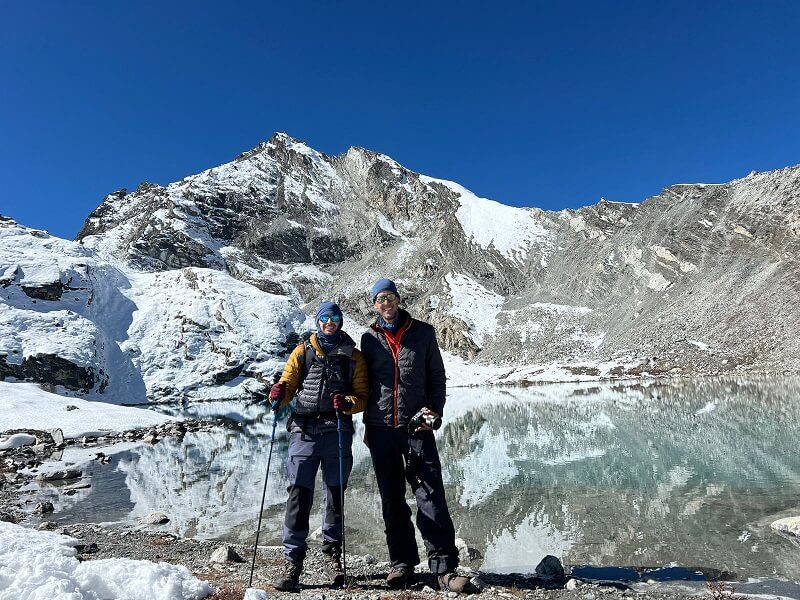
One of the best trekking I have done in Nepal Asia. Gokyo lake is a beautiful lake at Everest. we stay there at Gokyo lake and see all the mountain ranges. our guide Pemba help us and make our trip successful.I recommend this trekking.
Incredible company. Extremely kind people working there, super safe and organized. Thank you Bibi !!
A true Himalayan adventure! I did a 16 days trek to everest alone with my great guide Tik. Despite the end of the monsoon being a bit late this year, and having some heavy rains during the first days of trekking, every thing was perfect. I definitely recommend both the company and my guide Tik.
Very good service. We booked our flights to Lukla from Katmandú and they organiced everything for me. I didn’t need to worry about nothing
We enjoy our trek lot.
| Cookie | Duration | Description |
|---|---|---|
| cookielawinfo-checkbox-analytics | 11 months | This cookie is set by GDPR Cookie Consent plugin. The cookie is used to store the user consent for the cookies in the category "Analytics". |
| cookielawinfo-checkbox-functional | 11 months | The cookie is set by GDPR cookie consent to record the user consent for the cookies in the category "Functional". |
| cookielawinfo-checkbox-necessary | 11 months | This cookie is set by GDPR Cookie Consent plugin. The cookies is used to store the user consent for the cookies in the category "Necessary". |
| cookielawinfo-checkbox-others | 11 months | This cookie is set by GDPR Cookie Consent plugin. The cookie is used to store the user consent for the cookies in the category "Other. |
| cookielawinfo-checkbox-performance | 11 months | This cookie is set by GDPR Cookie Consent plugin. The cookie is used to store the user consent for the cookies in the category "Performance". |
| viewed_cookie_policy | 11 months | The cookie is set by the GDPR Cookie Consent plugin and is used to store whether or not user has consented to the use of cookies. It does not store any personal data. |